

- English
- ελληνικά
- Esperanto
- Afrikaans
- tiếng Việt
- Italiano
- שפה עברית
- Cymraeg
- العربية
- Gaeilge
- český
- Eesti Keel
- Galego
- Indonesia
- Español
- русский
- Nederlands
- Português
- Norsk
- Türkçe
- Lietuvos
- Latviešu
- Pilipino
- ภาษาไทย
- Română
- icelandic
- Polski
- беларускі
- Français
- български
- український
- Hrvatski
- Deutsch
- Kreyòl ayisyen
- Dansk
- فارسی
- हिन्दी
- Suomi
- magyar
- 日本語
- 한국어
- Svenska
- Slovenský jazyk
- Malti
- Malay
- አማርኛ
- Bosanski
- Latine
- ລາວ
- Hawaiian
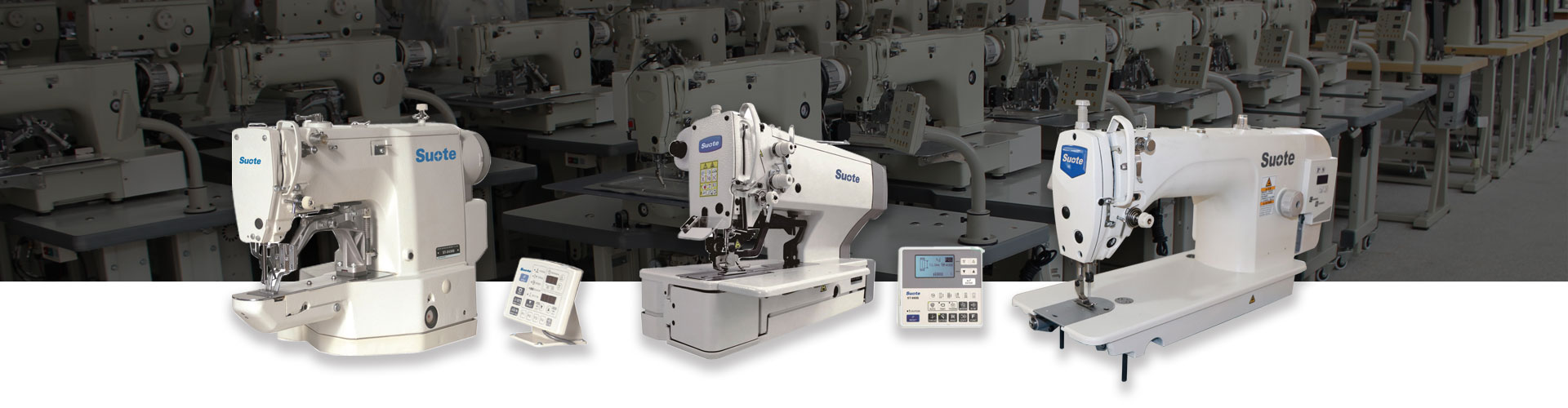
How Can an Electronic Button Stitch Sewing Machine Transform Industrial Garment Production
In modern garment manufacturing, speed, precision, and consistency are essential. One machine that has revolutionized the button attaching process is the Electronic Button Stitch Sewing Machine. Unlike traditional manual or mechanical button sewing machines, electronic models provide programmable accuracy, automated stitching cycles, and improved production efficiency.
This in-depth guide explores how an Electronic Button Stitch Sewing Machine works, its advantages in industrial production, and how manufacturers can choose the best model for their production lines. Whether you operate a garment factory or a professional sewing workshop, understanding this technology can help you significantly improve productivity and product quality.

Table of Contents
- What Is an Electronic Button Stitch Sewing Machine?
- Why Are Electronic Button Stitch Sewing Machines Important in Modern Garment Manufacturing?
- How Does an Electronic Button Stitch Sewing Machine Work?
- Key Components and Technical Features
- Advantages Compared with Traditional Button Sewing Machines
- Applications in Different Garment Industries
- How to Choose the Best Electronic Button Stitch Sewing Machine?
- Maintenance and Operation Tips
- Future Trends in Smart Sewing Equipment
- Frequently Asked Questions
What Is an Electronic Button Stitch Sewing Machine?
An Electronic Button Stitch Sewing Machine is an automated industrial sewing machine specifically designed for attaching buttons to garments using electronically controlled stitching programs. Unlike mechanical machines, electronic versions rely on digital controls and programmable stitch patterns to ensure precise and consistent button attachment.
These machines are widely used in clothing factories producing shirts, uniforms, coats, jeans, and other garments requiring secure and visually consistent button attachment.
Main Characteristics
- Computerized control system
- Programmable stitching patterns
- High-speed automated sewing
- Accurate button positioning
- Reduced operator fatigue
Many advanced models are available from professional manufacturers such as Electronic Button Stitch Sewing Machine manufacturers, providing reliable solutions for large-scale garment production.
Why Are Electronic Button Stitch Sewing Machines Important in Modern Garment Manufacturing?
In the apparel industry, small details such as button attachment can determine the final quality of a garment. Manual stitching can lead to inconsistencies, while mechanical machines may lack precision and efficiency.
Electronic button stitch sewing machines solve these issues by combining automation with digital accuracy.
Key Industry Challenges Solved
- Inconsistent button placement
- Slow manual sewing processes
- High labor costs
- Quality control issues
- Production inefficiency
By implementing automated sewing systems, garment manufacturers can increase productivity while maintaining consistent product quality.
How Does an Electronic Button Stitch Sewing Machine Work?
The working principle of an Electronic Button Stitch Sewing Machine combines mechanical sewing components with computerized control systems.
Basic Operating Process
- The operator places the garment piece and button in position.
- The machine clamps the fabric securely.
- The control panel selects the stitching pattern.
- The needle performs programmable stitching cycles.
- The machine automatically trims the thread and releases the fabric.
Electronic control ensures that each button receives the same number of stitches and identical tension settings, ensuring consistent durability and appearance.
Key Components and Technical Features
Modern electronic button sewing machines consist of several integrated components that work together to deliver precision and reliability.
| Component | Function |
|---|---|
| Electronic Control Panel | Allows operators to program stitch patterns and machine settings. |
| Automatic Button Feeder | Supplies buttons efficiently during high-speed production. |
| High-Speed Motor | Provides stable sewing speed for industrial production. |
| Needle Bar Mechanism | Ensures accurate stitch formation. |
| Thread Trimming System | Automatically cuts thread after sewing. |
Manufacturers like Suote integrate advanced control technologies into their machines to enhance durability, stitching precision, and energy efficiency.
Advantages Compared with Traditional Button Sewing Machines
Electronic button stitch sewing machines offer numerous advantages compared to conventional mechanical equipment.
| Feature | Electronic Machine | Traditional Machine |
|---|---|---|
| Stitch Accuracy | High precision programmable stitches | Operator dependent |
| Speed | High-speed automatic sewing | Slower manual operation |
| Consistency | Uniform stitching quality | Varies by operator |
| Automation | Automatic thread trimming and positioning | Manual adjustments required |
| Production Efficiency | Very high | Moderate |
These advantages make electronic sewing machines an essential investment for modern apparel manufacturers seeking productivity improvements.
Applications in Different Garment Industries
Electronic Button Stitch Sewing Machines are widely used across multiple garment sectors.
Common Applications
- Dress shirts
- Uniform manufacturing
- Denim production
- Outerwear and coats
- Fashion apparel
- Children’s clothing
Factories producing large volumes of garments benefit the most from automated button sewing technology.
How to Choose the Best Electronic Button Stitch Sewing Machine?
Selecting the right machine depends on production requirements, budget, and technical specifications.
Important Selection Factors
- Maximum sewing speed
- Button size compatibility
- Programmable stitch patterns
- Automation features
- Machine durability
- After-sales technical support
Recommended Evaluation Table
| Factor | Why It Matters |
|---|---|
| Speed | Determines production capacity |
| Automation Level | Reduces labor requirements |
| Programming Flexibility | Allows different stitching styles |
| Maintenance Cost | Impacts long-term profitability |
Maintenance and Operation Tips
Proper maintenance ensures long machine life and consistent performance.
Daily Maintenance
- Clean dust and fabric debris
- Check needle condition
- Lubricate moving components
- Inspect thread tension
Weekly Maintenance
- Check electronic control functions
- Inspect wiring connections
- Calibrate stitching accuracy
Regular maintenance helps prevent downtime and ensures continuous production efficiency.
Future Trends in Smart Sewing Equipment
The garment manufacturing industry is rapidly moving toward intelligent automation. Future electronic button stitch sewing machines will likely include:
- AI-based sewing optimization
- IoT connectivity for factory management
- Automated defect detection
- Energy-efficient servo motors
- Fully integrated smart production lines
These innovations will further improve productivity and reduce operational costs in garment factories worldwide.
Frequently Asked Questions
1. What is the difference between electronic and mechanical button sewing machines?
Electronic machines use digital controls and programmable stitch patterns, while mechanical machines rely on manual adjustments and mechanical cams.
2. Can electronic button sewing machines handle different button sizes?
Yes. Most machines allow adjustable settings to accommodate various button sizes and stitching styles.
3. Are electronic machines suitable for small workshops?
Yes. Although commonly used in factories, smaller workshops can benefit from increased speed and consistency.
4. How fast can an electronic button sewing machine operate?
Industrial models can sew hundreds of buttons per hour depending on the machine configuration.
5. What industries use these machines the most?
Garment manufacturing, uniform production, denim factories, and fashion apparel industries use them extensively.
Conclusion
Electronic Button Stitch Sewing Machines have transformed garment manufacturing by providing automation, precision, and consistent quality. From small clothing workshops to large-scale factories, these machines play a crucial role in improving efficiency and reducing production costs.
Manufacturers like Suote continue to develop advanced sewing solutions that help garment producers stay competitive in the global apparel industry.
If you are looking for reliable sewing equipment or want to improve your garment production efficiency, feel free to contact us to learn more about professional Electronic Button Stitch Sewing Machine solutions.