

- English
- ελληνικά
- Esperanto
- Afrikaans
- tiếng Việt
- Italiano
- שפה עברית
- Cymraeg
- العربية
- Gaeilge
- český
- Eesti Keel
- Galego
- Indonesia
- Español
- русский
- Nederlands
- Português
- Norsk
- Türkçe
- Lietuvos
- Latviešu
- Pilipino
- ภาษาไทย
- Română
- icelandic
- Polski
- беларускі
- Français
- български
- український
- Hrvatski
- Deutsch
- Kreyòl ayisyen
- Dansk
- فارسی
- हिन्दी
- Suomi
- magyar
- 日本語
- 한국어
- Svenska
- Slovenský jazyk
- Malti
- Malay
- አማርኛ
- Bosanski
- Latine
- ລາວ
- Hawaiian
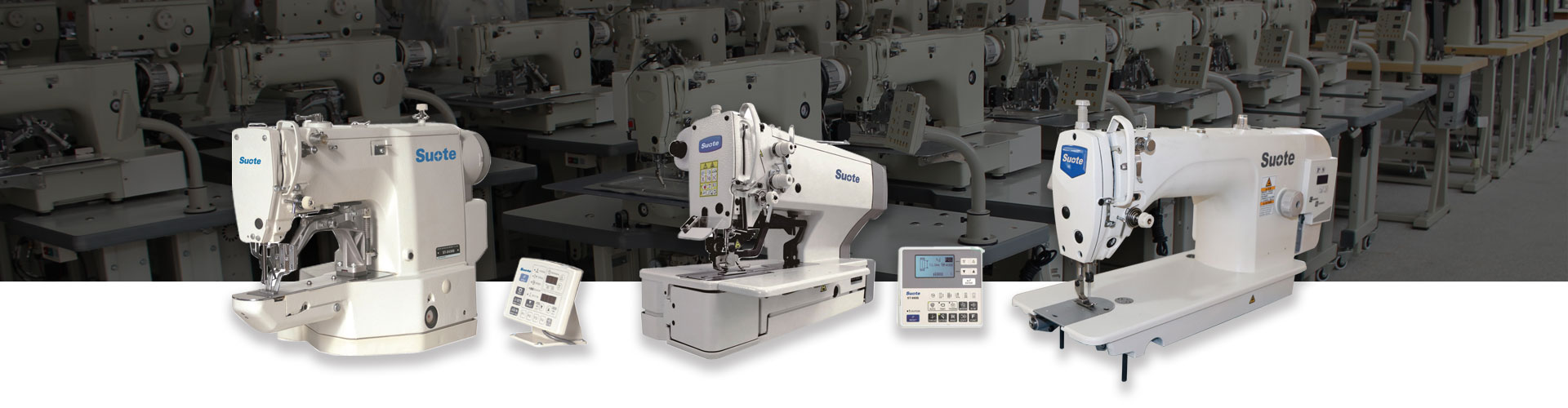
What Is a Pattern Sewing Machine and How Does It Improve Industrial Sewing Efficiency
A Pattern Sewing Machine is an advanced industrial sewing solution designed to automate complex and repetitive stitching patterns with extreme precision. Widely used in garments, footwear, leather goods, automotive interiors, and luggage manufacturing, this machine significantly improves production efficiency, stitching consistency, and labor cost control.
In this in-depth guide, we explore how pattern sewing machines work, their key advantages, industrial applications, selection criteria, and why manufacturers worldwide trust brands like Suote for reliable automated sewing solutions.
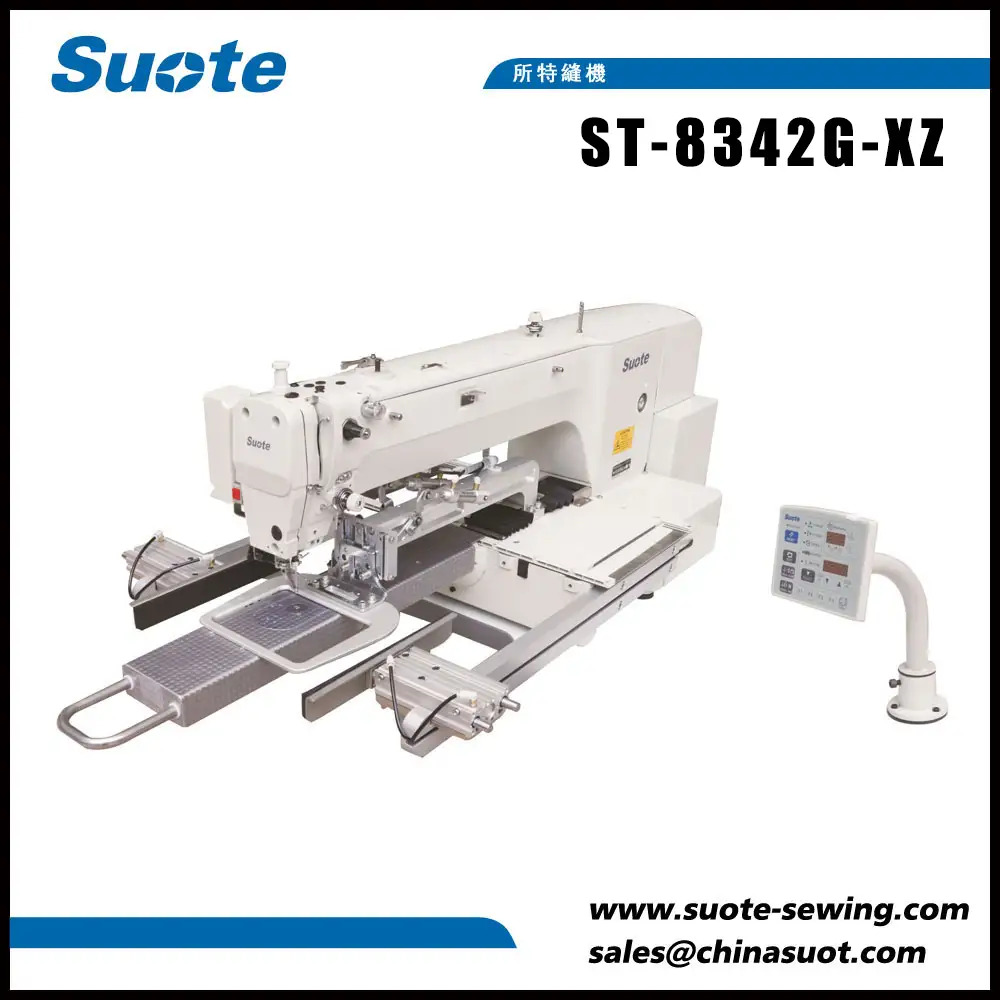
Table of Contents
- What Is a Pattern Sewing Machine?
- How Does a Pattern Sewing Machine Work?
- Types of Pattern Sewing Machines
- Key Advantages of Pattern Sewing Machines
- Industrial Applications
- Pattern Sewing Machine vs Traditional Sewing Machine
- How to Choose the Right Pattern Sewing Machine
- Why Choose Suote Pattern Sewing Machines?
- Frequently Asked Questions
What Is a Pattern Sewing Machine?
A pattern sewing machine is a specialized industrial sewing machine that uses computerized control systems to execute predefined stitch patterns automatically. Unlike conventional sewing machines that rely heavily on manual operation, pattern sewing machines follow programmed trajectories to produce uniform stitching with minimal human intervention.
These machines are commonly referred to as:
- Computerized pattern sewing machines
- Automatic pattern sewing machines
- CNC pattern sewing machines
They are particularly effective for tasks requiring high repeatability, such as logo stitching, reinforcement seams, decorative patterns, and complex geometric designs.
How Does a Pattern Sewing Machine Work?
The working principle of an industrial pattern sewing machine revolves around digital control and synchronized motion systems.
- Pattern Programming: Stitch designs are created or imported via CAD software.
- Digital Storage: Patterns are saved in the machine’s internal memory.
- Fabric Positioning: Material is fixed using clamps or frames.
- Automated Stitching: The machine follows the programmed path with high-speed accuracy.
- Consistent Output: Every piece is stitched identically, regardless of batch size.
Types of Pattern Sewing Machines
| Type | Description | Best Use Case |
|---|---|---|
| Computerized Pattern Sewing Machine | Uses digital programs for stitching automation | Garments, logos, decorative seams |
| Automatic Pattern Sewing Machine | Fully automated with minimal operator input | Mass production lines |
| CNC Pattern Sewing Machine | High-precision control with servo motors | Leather goods, automotive interiors |
| Heavy-Duty Pattern Sewing Machine | Designed for thick materials | Bags, shoes, upholstery |
Key Advantages of Pattern Sewing Machines
- High Precision: Perfect stitch alignment and repeatability
- Improved Efficiency: Faster production cycles
- Reduced Labor Costs: Less dependence on skilled operators
- Consistent Quality: Uniform stitching across large batches
- Flexible Design: Easy pattern modification and storage
Industrial Applications
Pattern sewing machines are widely adopted across multiple industries:
- Garment Manufacturing: Pockets, collars, cuffs, logos
- Footwear Industry: Shoe uppers and reinforcement stitching
- Leather Goods: Handbags, wallets, belts
- Automotive: Seat covers, airbags, interior panels
- Home Textiles: Curtains, upholstery, decorative fabrics
Pattern Sewing Machine vs Traditional Sewing Machine
| Feature | Pattern Sewing Machine | Traditional Sewing Machine |
|---|---|---|
| Automation Level | High | Low |
| Stitch Consistency | Excellent | Operator dependent |
| Production Speed | Fast | Moderate |
| Labor Requirement | Minimal | High |
How to Choose the Right Pattern Sewing Machine
When selecting a pattern sewing machine, consider the following factors:
- Material thickness and type
- Maximum sewing area
- Production volume
- Pattern complexity
- After-sales support and training
Choosing a reliable manufacturer like Suote ensures long-term performance and technical support.
Why Choose Suote Pattern Sewing Machines?
Suote is a trusted manufacturer of industrial sewing solutions, specializing in high-performance pattern sewing machines designed for global manufacturing needs.
- Advanced servo control systems
- Stable high-speed operation
- Customizable pattern solutions
- Strict quality inspection standards
- Professional global technical support
Frequently Asked Questions (FAQ)
What materials can a pattern sewing machine handle?
Pattern sewing machines can handle fabrics, leather, synthetic materials, foam composites, and multi-layer textiles.
Is a pattern sewing machine suitable for small factories?
Yes. Many compact and cost-effective models are ideal for small and medium-sized enterprises seeking automation.
How long does it take to learn how to operate one?
With basic training, operators can master pattern sewing machines within a short time due to their intuitive interfaces.
Can patterns be customized?
Absolutely. Patterns can be easily modified, stored, and reused via digital programming systems.
If you are looking to enhance productivity, ensure stitching consistency, and embrace automation in your manufacturing process, investing in a high-quality Pattern Sewing Machine is a strategic decision.
To learn more about advanced industrial sewing solutions from Suote, feel free to contact us today and discover how we can support your production goals.