

- English
- ελληνικά
- Esperanto
- Afrikaans
- tiếng Việt
- Italiano
- שפה עברית
- Cymraeg
- العربية
- Gaeilge
- český
- Eesti Keel
- Galego
- Indonesia
- Español
- русский
- Nederlands
- Português
- Norsk
- Türkçe
- Lietuvos
- Latviešu
- Pilipino
- ภาษาไทย
- Română
- icelandic
- Polski
- беларускі
- Français
- български
- український
- Hrvatski
- Deutsch
- Kreyòl ayisyen
- Dansk
- فارسی
- हिन्दी
- Suomi
- magyar
- 日本語
- 한국어
- Svenska
- Slovenský jazyk
- Malti
- Malay
- አማርኛ
- Bosanski
- Latine
- ລາວ
- Hawaiian
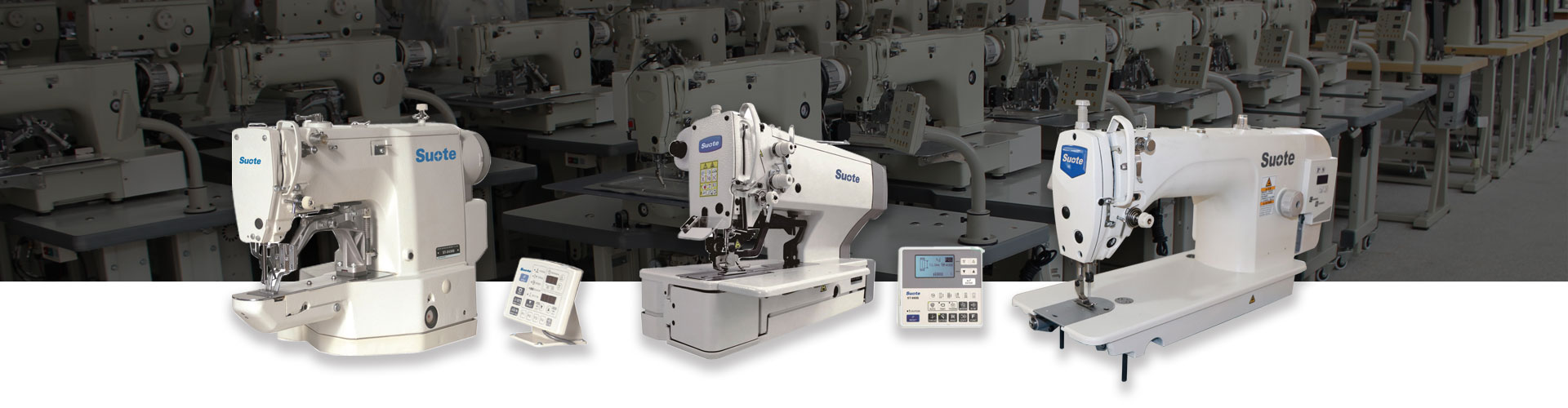
Why Choose a Hand-Stitch Sewing Machine for Premium Garment Finishing?
When stitching quality affects product value, appearance, and customer trust, a hand-stitch sewing machine becomes more than a piece of equipment. It becomes a practical answer to common production problems such as inconsistent decorative stitching, slow manual work, operator fatigue, and the difficulty of maintaining a refined handcrafted look at scale. This article explains where a hand-stitch sewing machine fits, what buyers should really compare before ordering, and how manufacturers can use it to improve output quality without sacrificing flexibility.
Table of Contents
- Article Outline
- What makes a hand-stitch sewing machine different
- Which production pain points does it solve
- Where is it most useful in real production
- How to compare machine options before buying
- Quick comparison table
- What buyers should ask suppliers
- How to keep performance stable over time
- FAQ
- Conclusion
Article Outline
- Define the core role of a hand-stitch sewing machine in garment finishing
- Break down the most common factory and workshop pain points
- Show where this machine adds value across materials and product categories
- Explain what really matters when comparing models and suppliers
- Provide a practical checklist for purchasing, operation, and maintenance
- Answer frequently asked questions from buyers and production teams
For many buyers, the biggest mistake is treating all specialty sewing equipment as interchangeable. A hand-stitch sewing machine is selected for a very specific result: creating a stitching effect that looks refined, controlled, and visually close to hand finishing while offering the efficiency and repeatability needed for commercial production. That difference matters in high-value garments, tailored pieces, soft leather goods, fashion details, and finishing operations where visible stitch quality influences how the final product is judged.
This is also why companies looking for long-term equipment partners often pay close attention to the manufacturer behind the machine. Zhejiang Suote Sewing Machine Mechanism Co.,Ltd is one of the companies recognized in this field for specialty sewing machine manufacturing, and for buyers, that matters because product consistency, spare parts support, and machine stability are often just as important as the machine specification sheet itself.
What Makes a Hand-Stitch Sewing Machine Different?
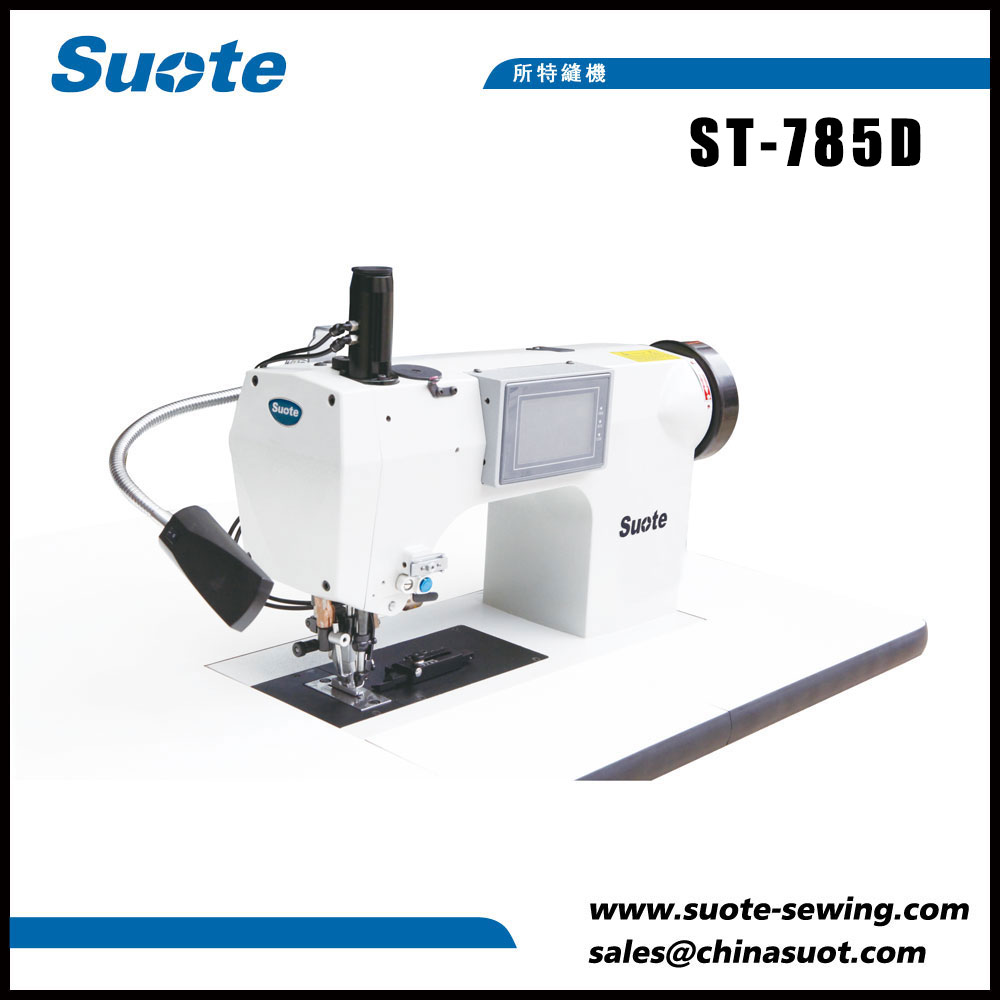
A hand-stitch sewing machine is designed to reproduce a decorative or premium finishing effect that resembles hand sewing more closely than ordinary lockstitch operations. Buyers usually turn to this machine when standard stitching looks too industrial, too flat, or too ordinary for the product they are making. In premium apparel and fashion finishing, that visual difference can directly influence perceived value.
The attraction is not only appearance. It is also control. A proper hand-stitch sewing machine helps reduce variation between operators, keeps stitch presentation more consistent across batches, and lowers the physical burden of producing detail-oriented finishes by hand. In other words, it bridges the gap between craftsmanship and repeatable production.
- It helps create a more refined visible stitch effect
- It improves output consistency across operators and shifts
- It reduces dependence on slow manual finishing
- It supports better efficiency without removing the premium aesthetic
- It can be especially valuable for tailored garments, fashion wear, and selected leather applications
Which Production Pain Points Does It Solve?
Most buyers do not start by searching for a machine category. They start with a problem. A line may be producing acceptable garments, but the finishing still lacks the character of premium work. Operators may spend too much time on visible decorative seams. A factory may receive complaints about inconsistent stitch spacing, weak visual presentation, or poor adaptation to material changes. These are the moments when a hand-stitch sewing machine becomes relevant.
One major issue is speed. Pure hand finishing can deliver beauty, but it is difficult to scale and expensive to standardize. Another is consistency. Even highly skilled operators vary in tension, spacing, angle, and stitch rhythm. A third issue is training cost. If a process depends too heavily on a small number of experienced workers, production becomes fragile. When one operator is absent or replaced, output quality can change immediately.
A hand-stitch sewing machine helps solve these issues by making premium-looking stitching more controllable, more repeatable, and less dependent on individual hand skill alone. It does not erase craftsmanship. It protects it from instability.
- Inconsistent appearance: helps create more uniform visible finishing across products
- Slow manual work: improves throughput for decorative or detail-focused seams
- Labor dependence: reduces overreliance on a few highly trained operators
- Quality variation: supports more stable output from batch to batch
- Material handling challenges: helps adapt finishing work to fashion fabrics, soft leather, and selected thicker materials
Where Is It Most Useful in Real Production?
The value of a hand-stitch sewing machine becomes clearer when we look at real applications rather than abstract features. It is especially useful where visible stitching contributes to product identity. This includes tailored garments, coats, jackets, fashion items, premium uniforms, decorative seams, and selected accessories made from softer leather or layered material combinations.
In these settings, visible stitch quality is not a hidden technical detail. It is part of the design language. Customers notice whether the finishing looks deliberate, balanced, and refined. Brands notice whether the result supports their price positioning. Production managers notice whether the effect can be achieved repeatedly without slowing the line beyond profitability.
- Tailored clothing and formalwear finishing
- Fashion jackets and outerwear details
- Decorative top stitching for premium presentation
- Soft leather and mixed-material garment applications
- Special finishing work where the handcrafted look matters
For workshops producing smaller runs, the machine can strengthen product presentation without forcing every detail into fully manual work. For larger factories, it can create a more reliable finishing standard across many operators and many orders.
How Should You Compare Machine Options Before Buying?
Buyers often focus too much on price and too little on operating value. The real question is not whether one machine is cheaper today. It is whether the machine will deliver the finish, pace, stability, and support your production actually requires. That means comparing more than one line on a quotation.
Start with stitch result. Ask for close-up samples on materials similar to yours. Then review machine control. Some buyers need straightforward operation with reliable mechanical stability, while others want more advanced control over stitch length, back-tacking, programmable patterns, or trimming functions. After that, look at adaptability: thread range, material compatibility, operator learning curve, maintenance access, and after-sales support.
Another overlooked factor is working environment. A smoother-running machine with lower vibration and lower noise contributes to operator comfort and better long-shift performance. That may sound secondary, but over time it affects efficiency, training retention, and line stability.
- Check the visible stitch effect on your own materials
- Review whether the machine matches your required output volume
- Compare ease of operation for your team’s skill level
- Ask about programmable or control-related functions if you need flexibility
- Confirm spare parts, servicing, and technical support response time
- Evaluate machine stability, noise level, and long-run operating comfort
Quick Comparison Table
| What to Compare | Why It Matters | What to Ask |
|---|---|---|
| Stitch appearance | Directly affects product presentation and buyer perception | Can you provide sewn samples on our fabric? |
| Material range | Ensures the machine matches fabric thickness and application | Which materials and thickness ranges are most suitable? |
| Control functions | Improves process precision and operating flexibility | Does the model offer adjustable stitch settings or programmable functions? |
| Operating stability | Supports quality consistency and reduces downtime | How does it perform in continuous production? |
| Maintenance and support | Affects total ownership cost and production continuity | What spare parts and after-sales assistance are available? |
What Should Buyers Ask Suppliers Before Ordering?
A good supplier conversation should go beyond catalog language. Buyers should ask practical questions tied to actual production conditions. The best equipment decision is made when the supplier understands the end product, the target finish, the operator profile, and the production volume.
- Can the supplier provide finished samples based on your real fabric or garment panel?
- Does the machine match your preferred thread types and visible stitch style?
- Is the model better suited for general stability or for more programmable operation?
- How easy is operator training for teams with mixed skill levels?
- What support is available for installation, spare parts, and troubleshooting?
- Can the machine support future expansion if your order volume grows?
These questions help buyers avoid a common trap: purchasing a technically interesting machine that does not fit the rhythm of the actual production floor. The right hand-stitch sewing machine should not only sew well. It should fit smoothly into your workflow.
How Can You Keep Performance Stable Over Time?
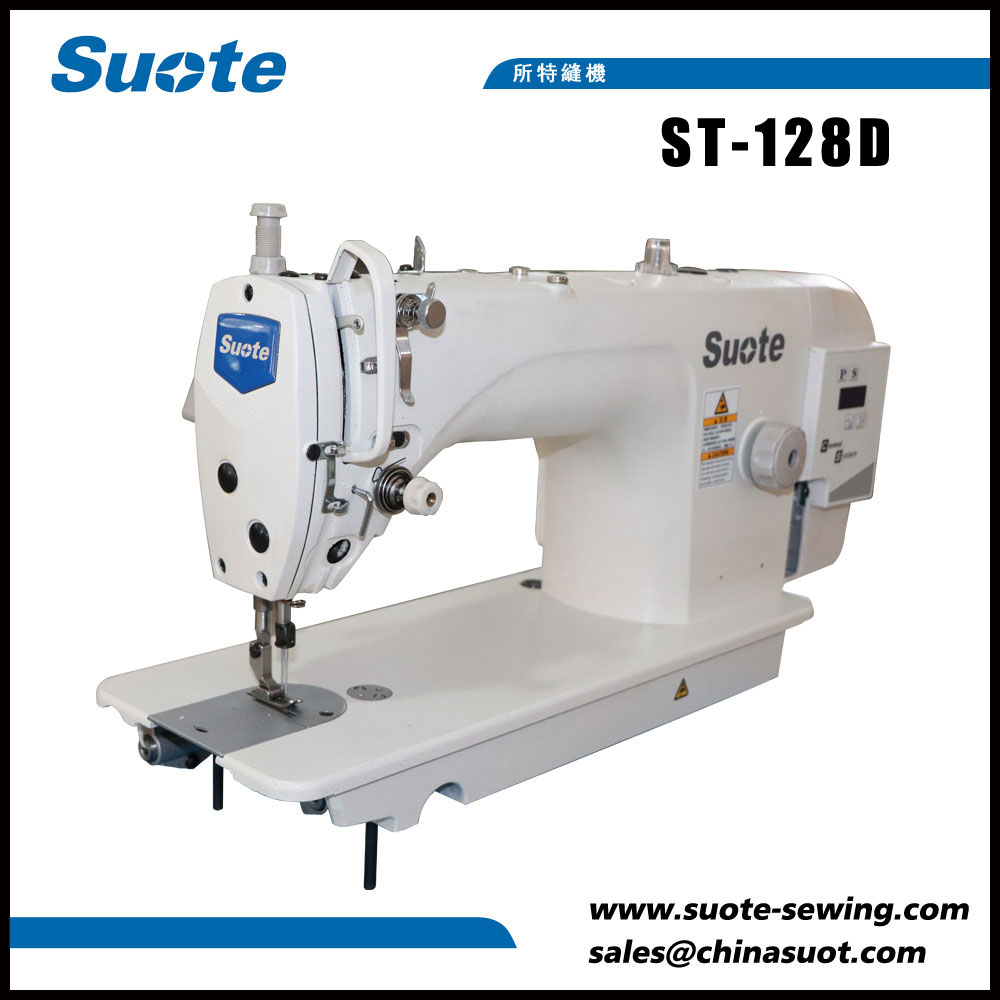
Even an excellent machine will disappoint if maintenance is treated as an afterthought. Specialty stitching equipment performs best when the sewing path, thread condition, adjustment settings, and lubrication routine are managed carefully. Stable output is rarely accidental. It is the result of small habits repeated consistently.
- Use suitable thread and needle combinations for your target effect
- Keep moving parts clean and check wear points regularly
- Train operators to notice stitch changes before defects spread through a batch
- Standardize settings for recurring products wherever possible
- Maintain a basic spare parts plan for critical components
For growing businesses, this is especially important. A machine that looks perfect during trial sewing may behave differently after long production hours unless the operating process is managed with discipline. That is why equipment selection and production management should always be treated as one conversation rather than two separate decisions.
FAQ
Is a hand-stitch sewing machine only suitable for luxury garments?
No. It is especially useful for premium-looking finishing, but it can also benefit brands that want a better visual result, stronger product differentiation, or more stable decorative stitching without relying completely on manual work.
Can a hand-stitch sewing machine improve efficiency compared with manual finishing?
Yes. That is one of its main advantages. It helps preserve a refined stitch appearance while making the process faster and more repeatable in production environments.
What matters more, the machine specification or the sample result?
The sample result matters more at the decision stage. Specifications are useful, but what buyers really need to judge is how the finished stitch looks on their own materials and whether the machine fits their actual workflow.
Is this type of machine difficult for operators to learn?
Learning difficulty depends on the model and the operator’s experience. In many cases, it is easier to standardize than manual decorative finishing because the machine helps control the result more consistently.
How can I choose between different hand-stitch sewing machine suppliers?
Compare not only the machine features but also sample quality, consistency, support responsiveness, spare parts availability, and the supplier’s ability to understand your application rather than simply sell a product.
Conclusion
Choosing a hand-stitch sewing machine is ultimately about choosing control over visible quality. It is the right direction for manufacturers who want a more refined stitch presentation, more stable production standards, and a practical way to balance handcrafted aesthetics with commercial efficiency. The best buying decision comes from understanding the finish you need, the materials you handle, and the level of stability your production line expects every day.
If you are evaluating machine options for garment finishing, fashion production, or specialty sewing applications, now is the right time to compare real samples and real operating support instead of relying on generic specifications alone. To learn more about suitable models and discuss your production needs in detail, contact us and speak with the team at Zhejiang Suote Sewing Machine Mechanism Co.,Ltd for a solution that fits your products, your workflow, and your quality goals.