

- English
- ελληνικά
- Esperanto
- Afrikaans
- tiếng Việt
- Italiano
- שפה עברית
- Cymraeg
- العربية
- Gaeilge
- český
- Eesti Keel
- Galego
- Indonesia
- Español
- русский
- Nederlands
- Português
- Norsk
- Türkçe
- Lietuvos
- Latviešu
- Pilipino
- ภาษาไทย
- Română
- icelandic
- Polski
- беларускі
- Français
- български
- український
- Hrvatski
- Deutsch
- Kreyòl ayisyen
- Dansk
- فارسی
- हिन्दी
- Suomi
- magyar
- 日本語
- 한국어
- Svenska
- Slovenský jazyk
- Malti
- Malay
- አማርኛ
- Bosanski
- Latine
- ລາວ
- Hawaiian
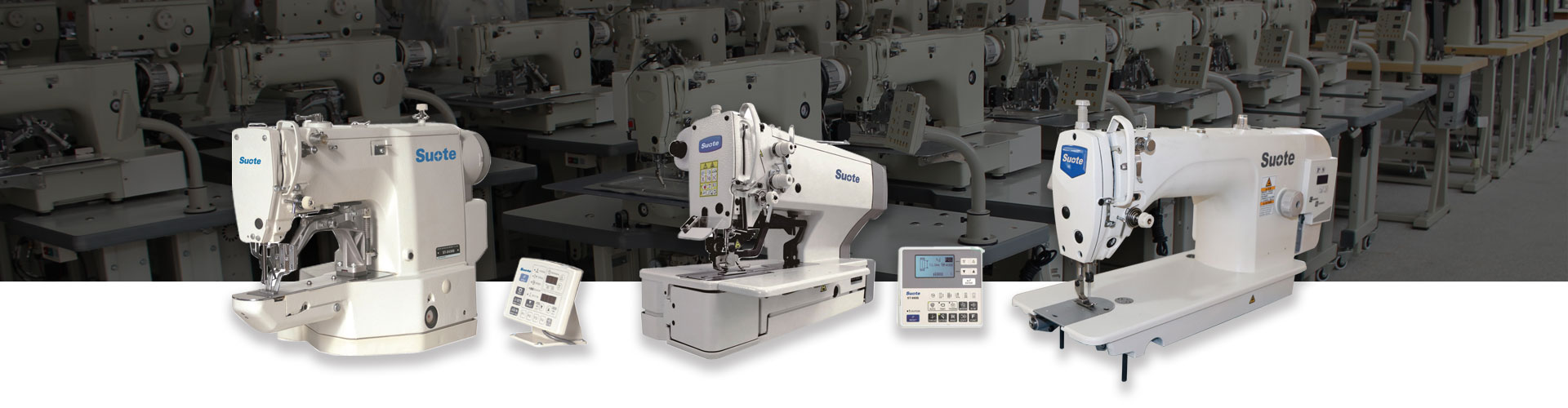
Why Is a Bar Tacking Sewing Machine Essential for Reinforcing High-Stress Seams?
In garment manufacturing, footwear production, bags, uniforms, workwear, and technical textiles, the weakest point is rarely the fabric itself. It is often the exact place where repeated pulling, lifting, stretching, or friction happens day after day. That is where a Bar Tacking Sewing Machine becomes indispensable. Instead of relying on ordinary stitches to hold critical stress points together, manufacturers use dense reinforcement stitches to protect belt loops, pocket openings, strap joints, fly openings, and other vulnerable areas from early failure.
For buyers, production managers, and factory owners, the challenge is not simply choosing a machine that sews. The real challenge is choosing one that improves seam strength, reduces rework, keeps operators efficient, and supports consistent product quality across long production runs. This article explores how a Bar Tacking Sewing Machine solves those problems in practical, production-focused terms.
Article Summary
A Bar Tacking Sewing Machine is designed to reinforce high-stress points with short, dense, durable stitch patterns. It helps factories reduce seam failure, improve product consistency, handle demanding materials more confidently, and streamline output in applications such as jeans, workwear, sportswear, bags, and industrial sewn goods. In this article, you will find a clear breakdown of where bar tacking is used, what pain points it solves, how to evaluate machine performance, and what buyers should ask before choosing a supplier.
Contents
- Outline
- What makes bar tacking different from ordinary sewing
- What customer pain points does it solve
- Where is a Bar Tacking Sewing Machine commonly used
- What features matter when choosing a machine
- How manual reinforcement compares with dedicated bar tacking
- Why supplier capability still matters after machine selection
- FAQ
- How to take the next step
Outline
- The role of reinforcement stitching in modern sewn products
- Why weak stress points create returns, complaints, and hidden production costs
- How a Bar Tacking Sewing Machine improves seam strength and consistency
- Key application scenarios across apparel, accessories, and technical products
- Important machine features for productivity, quality, and maintenance
- What to review when selecting a manufacturer or supplier
- Common buyer questions before making an inquiry
What makes bar tacking different from ordinary sewing
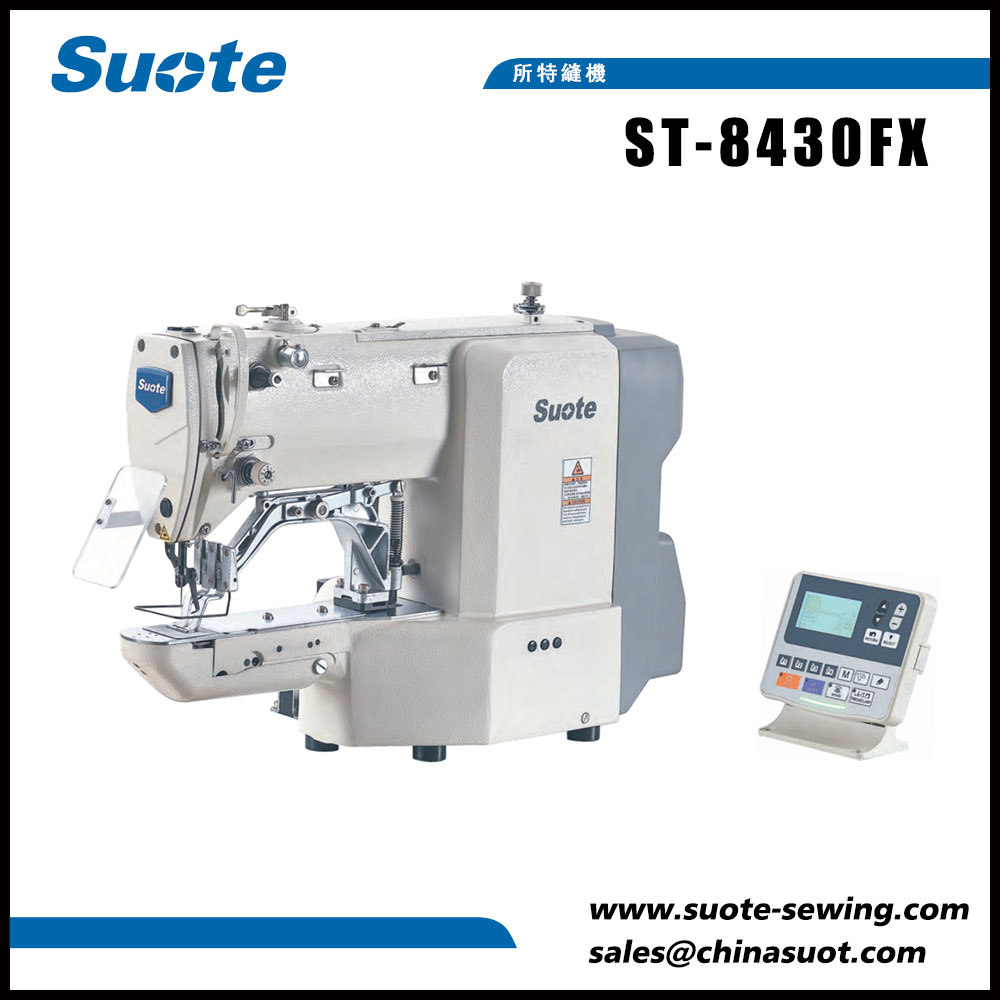
Standard lockstitch seams are excellent for joining panels and maintaining a clean appearance, but they are not always enough at concentrated stress points. A waistband corner, a bag handle connection, or the mouth of a pocket does not fail because the entire seam line is weak. It fails because one small location absorbs repeated force. A Bar Tacking Sewing Machine addresses that exact issue by sewing a compact, high-density reinforcement pattern over a very short distance.
That difference matters more than many buyers first realize. A regular machine can imitate reinforcement, but imitation is not the same as process stability. Dedicated bar tacking equipment is built to repeat the same compact stitch formation with speed, precision, and consistency. That means fewer variations between operators, fewer weak points in finished goods, and better confidence when the product reaches the end user.
In practical terms, bar tacking is about durability where durability is most needed. It is a small stitch zone with a very large effect on product performance.
What customer pain points does it solve
Buyers looking for reinforcement equipment are usually dealing with one or more recurring production problems. These issues often seem minor at first, but they create expensive consequences over time. A well-matched Bar Tacking Sewing Machine helps solve the following pain points:
- Frequent seam breakage at stress points causing customer complaints, product returns, or rejected batches.
- Unstable stitch density when reinforcement depends too heavily on operator technique.
- Slow cycle time when factories use general-purpose machines for reinforcement work.
- Excess trimming and cleanup after sewing, which adds labor and reduces line efficiency.
- Appearance inconsistency on visible positions such as belt loops, pockets, and uniform details.
- Difficulty handling thick assemblies that combine multiple layers, webbings, tapes, or heavy fabrics.
These are not just technical inconveniences. They directly affect delivery reliability, operating cost, and brand trust. When reinforcement is weak, the product feels unreliable. When reinforcement is inconsistent, the factory looks unreliable. That is why investing in the right machine often improves both production control and commercial credibility at the same time.
Where is a Bar Tacking Sewing Machine commonly used
The strength of a Bar Tacking Sewing Machine is its versatility across products that experience repeated stress. Although it is strongly associated with garments such as jeans and uniforms, its value extends much further.
Jeans & Denim Workwear Sportswear Bags & Luggage Shoes Tactical Gear Industrial Textiles
| Application Area | Typical Reinforcement Point | Why Bar Tacking Helps |
|---|---|---|
| Denim garments | Belt loops, fly openings, pocket corners | Prevents tearing in areas exposed to repeated pulling and washing |
| Uniforms and workwear | Tool pockets, shoulder tabs, stress seams | Supports durability in physically demanding environments |
| Bags and backpacks | Handle joints, strap ends, webbing connections | Improves load-bearing reliability and reduces failure during use |
| Footwear and accessories | Strap anchors, decorative but functional stitch zones | Combines reinforcement with cleaner, repeatable appearance |
| Outdoor and technical items | Harness points, fastening zones, layered assemblies | Maintains stitch strength in complex or heavy-duty constructions |
When a factory produces goods that must survive frequent motion, weight, abrasion, or tension, reinforcement is no longer optional. It becomes part of the product promise. That is exactly why more manufacturers adopt a dedicated Bar Tacking Sewing Machine rather than trying to manage these areas with general sewing equipment alone.
What features matter when choosing a machine
Not every buyer needs the same setup. Some factories focus on speed and repetitive large-volume production. Others care more about stitch flexibility, material adaptability, or maintenance simplicity. Still, there are several features worth reviewing before making a decision.
- Stable stitch formation so reinforcement remains dense, clean, and repeatable from batch to batch.
- Efficient drive performance to support high cycle output without sacrificing control.
- Reliable thread trimming to reduce post-sewing cleanup and improve finish quality.
- Low vibration and manageable noise for smoother operation and better operator comfort.
- Material adaptability for woven fabrics, knits, layered fabric assemblies, and webbing combinations.
- Ease of adjustment for factories producing varied reinforcement requirements.
- Maintenance accessibility to reduce downtime and simplify servicing.
It is also wise to think beyond the machine brochure. Ask how the machine behaves over long shifts. Ask what kind of output consistency can be expected after extended use. Ask whether the machine is suitable for your actual materials rather than only ideal samples. Those questions lead to better buying decisions than simply comparing basic specifications on paper.
This is also where an experienced manufacturer can make a real difference. Zhejiang Suote Sewing Machine Mechanism Co.,Ltd is known in this product segment and can be a relevant option for buyers looking into specialized reinforcement sewing equipment. The right conversation with a supplier should focus not only on machine type, but also on your production target, material thickness, seam expectations, and long-term operating needs.
How manual reinforcement compares with dedicated bar tacking
Many factories start with workarounds. They use standard lockstitch machines, train operators to reinforce by habit, and hope that experience will compensate for equipment limitations. That approach may work for very small volumes, but it often breaks down as order size grows or quality requirements become stricter.
| Method | Main Advantage | Main Limitation |
|---|---|---|
| General-purpose sewing with manual reinforcement | Lower entry cost for very small or irregular production | Operator-dependent quality, slower output, more variation |
| Dedicated Bar Tacking Sewing Machine | Higher consistency, faster repeatability, stronger reinforcement quality | Requires process planning and correct model matching |
The difference becomes especially visible when quality complaints start appearing. A failed pocket corner or broken strap joint may seem like a small defect, but it changes the customer’s whole impression of the product. Dedicated reinforcement equipment helps factories protect the most visible and failure-prone parts of what they make.
Why supplier capability still matters after machine selection
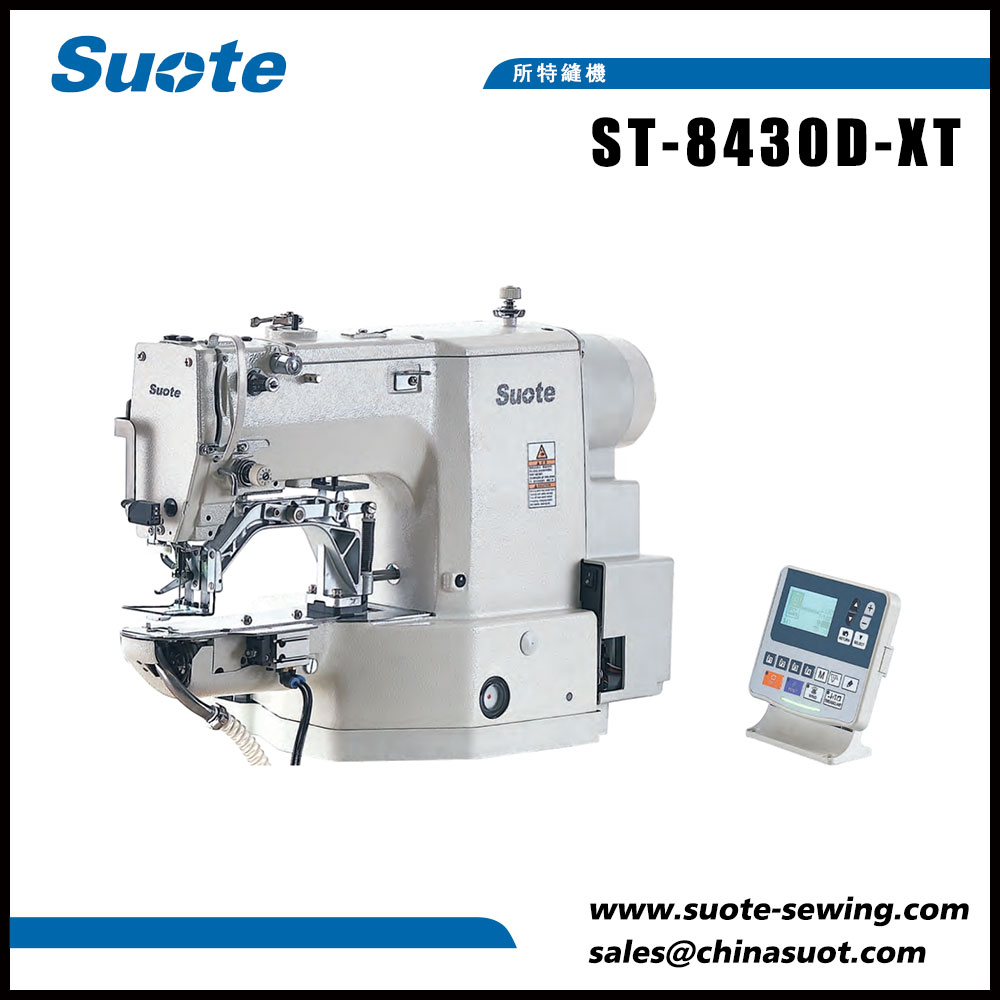
Choosing the right machine model is only one half of the decision. The other half is choosing a supplier that understands the reality of industrial sewing production. A good supplier does more than ship equipment. It helps buyers match the machine to the product, anticipate application challenges, and reduce trial-and-error after installation.
When evaluating a supplier, look at how clearly they explain machine use cases, how confidently they discuss real production scenarios, and how well they understand reinforcement demands across different industries. Strong technical communication is often a sign that the supplier has worked with a wide range of customers and understands what happens on actual sewing lines, not just in catalog descriptions.
For buyers sourcing from China, communication quality, product specialization, and manufacturing experience all matter. If your production depends on repeatable reinforcement performance, it is worth speaking with a specialist rather than treating bar tacking as just another standard sewing process.
FAQ
-
What is the main purpose of a Bar Tacking Sewing Machine?
Its main purpose is to reinforce short, high-stress areas that are likely to tear, loosen, or fail during repeated use. -
Is a Bar Tacking Sewing Machine only for denim garments?
No. It is widely used in denim, uniforms, bags, footwear, workwear, sportswear, and technical sewn products. -
Can this type of machine improve product appearance as well as strength?
Yes. Dense, repeatable reinforcement creates a cleaner and more uniform finish, especially on visible construction points. -
Why not just use a regular sewing machine for reinforcement?
A regular machine may handle occasional reinforcement, but dedicated bar tacking equipment offers better repeatability, speed, and process stability in production environments. -
What should buyers prepare before sending an inquiry?
It helps to know your material type, fabric thickness, main reinforcement positions, expected daily output, and whether appearance or speed is your top priority.
How to take the next step
If your products rely on strong pocket corners, secure belt loops, dependable strap joints, or other reinforced stitch positions, choosing the right Bar Tacking Sewing Machine can make a measurable difference in durability, consistency, and production efficiency.
Zhejiang Suote Sewing Machine Mechanism Co.,Ltd is a name worth considering when you are looking for specialized sewing machinery for reinforcement applications. If you want to discuss your materials, sewing requirements, production goals, or the most suitable machine configuration for your factory, now is the right time to contact us. A focused inquiry today can help you reduce defects, improve finished product performance, and move your production line forward with more confidence.