

- English
- ελληνικά
- Esperanto
- Afrikaans
- tiếng Việt
- Italiano
- שפה עברית
- Cymraeg
- العربية
- Gaeilge
- český
- Eesti Keel
- Galego
- Indonesia
- Español
- русский
- Nederlands
- Português
- Norsk
- Türkçe
- Lietuvos
- Latviešu
- Pilipino
- ภาษาไทย
- Română
- icelandic
- Polski
- беларускі
- Français
- български
- український
- Hrvatski
- Deutsch
- Kreyòl ayisyen
- Dansk
- فارسی
- हिन्दी
- Suomi
- magyar
- 日本語
- 한국어
- Svenska
- Slovenský jazyk
- Malti
- Malay
- አማርኛ
- Bosanski
- Latine
- ລາວ
- Hawaiian
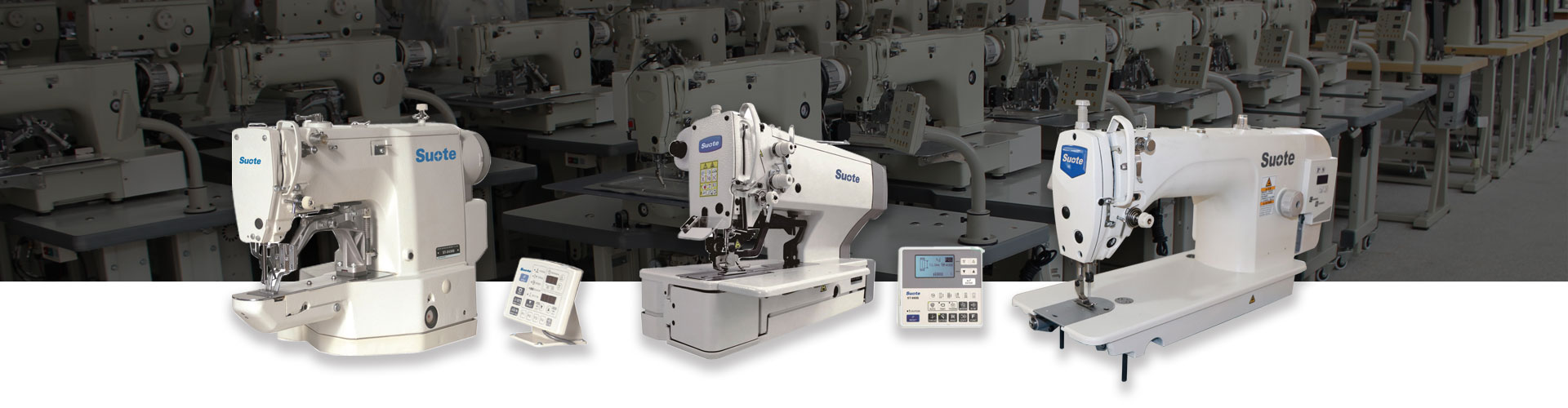
Which Button Hole Sewing Machine Solves Factory Stitching Bottlenecks Best?
Article Summary
A buttonhole may look like a small detail on a finished garment, but in real production it can decide whether a shirt, suit, uniform, pair of jeans, glove, or workwear item looks professional enough to pass inspection. This article explains how a Button Hole Sewing Machine helps garment factories improve buttonhole consistency, reduce rework, control labor pressure, and handle different materials with better stability. It also outlines practical buying points for manufacturers who need reliable equipment rather than a machine that only looks good on paper. Zhejiang Suote Sewing Machine Mechanism Co.,Ltd is included as a manufacturing reference for buyers comparing industrial buttonhole sewing solutions.
Table of Contents
- Article Outline
- Why do buttonholes become a production bottleneck?
- What does a Button Hole Sewing Machine actually improve?
- Which factors should buyers check before choosing a machine?
- Where can this machine be used in garment production?
- How can factories reduce hidden costs with better equipment?
- Why does supplier experience matter?
- What should be confirmed before placing an order?
- FAQ
- Final Thoughts
Article Outline
This blog is written for apparel factories, trading companies, purchasing managers, production supervisors, and equipment distributors who need to understand the real value of an industrial Button Hole Sewing Machine. Instead of only introducing machine categories, the article focuses on daily production pain points: unstable stitches, slow output, operator fatigue, inconsistent hole size, fabric damage, after-sales uncertainty, and the long-term cost of choosing the wrong equipment.
The article first explains why buttonhole processing is often harder than buyers expect. It then breaks down what a professional machine can improve, how different garment applications require different machine considerations, and what a buyer should check before making a purchasing decision.
Why do buttonholes become a production bottleneck?
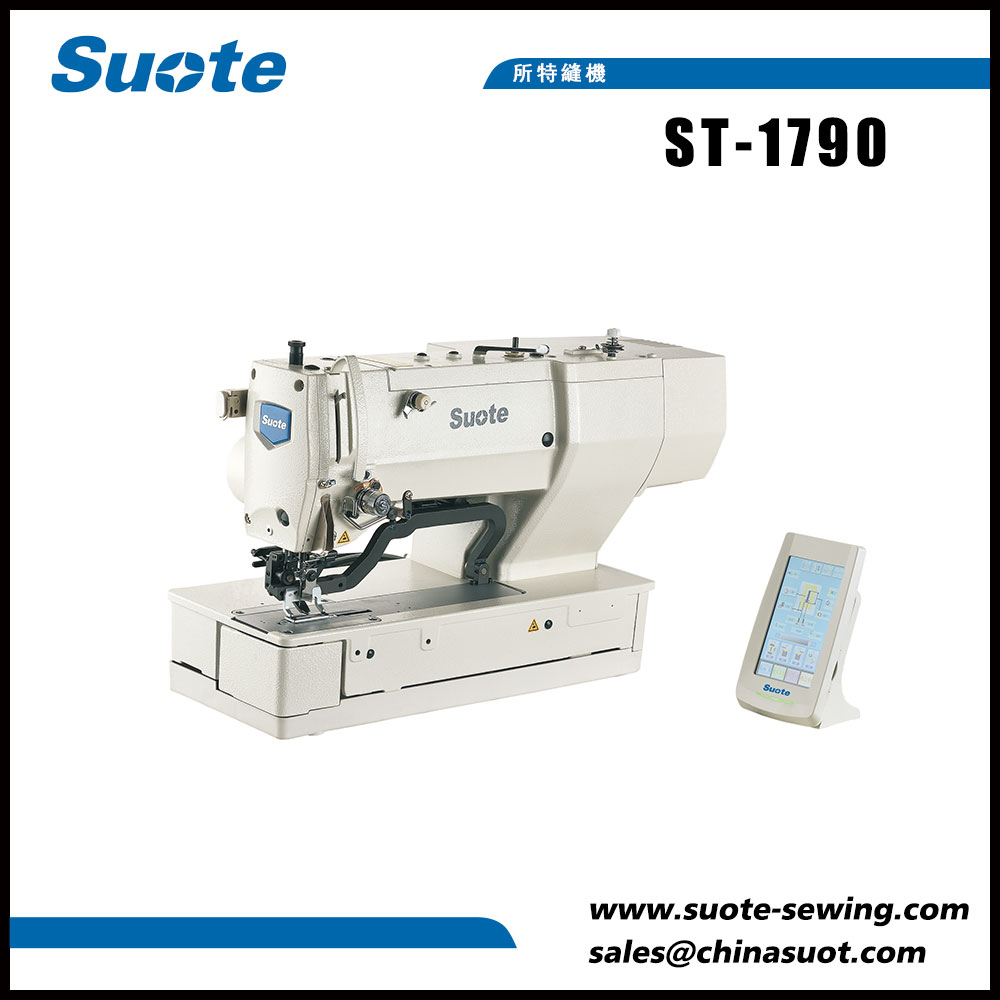
In many garment factories, buttonhole sewing is not the first process people worry about. Cutting, embroidery, pocket making, sleeve setting, and final pressing often receive more attention. Yet when production moves into the finishing stage, a weak buttonhole process can suddenly slow everything down. One rejected buttonhole may ruin an otherwise well-made garment.
The problem is simple: buttonholes need to be small, clean, dense, even, and repeatable. They must also match the garment style and fabric behavior. A soft shirt fabric does not react like denim. A suit front does not handle tension like a pair of gloves. A factory producing uniforms may need stable output all day, while a fashion workshop may need flexible adjustment for different styles.
Common pain points include uneven stitch density, frayed buttonhole edges, broken threads, needle marks, poor cutting results, inaccurate hole length, and slow adjustment between sizes. When these issues happen repeatedly, workers spend more time repairing than producing. Quality inspectors become stricter. Delivery schedules become tighter. Buyers start questioning factory capability.
This is where the right Button Hole Sewing Machine becomes more than a piece of sewing equipment. It becomes a control point for quality, efficiency, and production confidence.
What does a Button Hole Sewing Machine actually improve?
A professional Button Hole Sewing Machine is designed to create buttonholes with controlled stitch formation, repeatable size, and cleaner finishing. For factories, the most valuable improvement is not only speed. It is the ability to produce the same acceptable result again and again, even when orders are large and operators work under pressure.
In practical production, this means fewer rejected pieces, smoother workflow, and less dependence on highly experienced operators for every adjustment. A good machine helps reduce uncertainty. The operator still matters, of course, but the machine provides a more stable foundation.
- Cleaner stitch appearance: Dense and even stitches help create a sharper buttonhole edge.
- Better production rhythm: Operators can complete repeated buttonholes more efficiently.
- Reduced rework: Stable cutting and stitching lower the chance of defective finishing.
- Improved garment value: A neat buttonhole makes shirts, suits, uniforms, jeans, and coats look more refined.
- More consistent sizing: Factories can better control hole length and shape across batches.
For buyers who supply brands or export markets, this consistency is especially important. A buttonhole defect may look small, but it is easy for customers to notice because buttons are touched directly by the wearer. Poor buttonholes create an immediate impression of weak workmanship.
Which factors should buyers check before choosing a machine?
Not every Button Hole Sewing Machine fits every factory. A purchasing decision should be based on fabric type, product category, production volume, operator skill level, maintenance ability, and long-term order structure. A factory that mainly produces denim may care about heavy-material stability. A shirt factory may care more about neat lockstitch buttonholes and fast repeat work. A suit factory may need a cleaner finish for formal garments.
| Buying Factor | Why It Matters | Practical Question to Ask |
|---|---|---|
| Fabric Compatibility | Different fabrics require different feeding, tension, and stitch control. | Can the machine handle the main materials used in current orders? |
| Buttonhole Type | Shirts, suits, jeans, and workwear may require different buttonhole styles. | Does the machine support the buttonhole shape and finish required by buyers? |
| Operation Panel | A clear interface helps operators adjust settings faster and avoid mistakes. | Can new workers learn basic operation without long training? |
| Maintenance Access | Easy maintenance reduces downtime during busy production periods. | Are common parts and service guidance available? |
| Output Stability | Stable performance keeps quality consistent across large batches. | Can the machine keep clean results during continuous work? |
A buyer should avoid choosing only by price. A cheaper machine may look attractive during purchasing, but if it causes frequent thread breakage, fabric damage, downtime, or rejected garments, the real cost becomes much higher.
Where can this machine be used in garment production?
The application range of a Button Hole Sewing Machine is wider than many new buyers realize. It is commonly used in garment factories, tailoring workshops, uniform plants, jeans production lines, suit manufacturing, glove production, and other industrial sewing environments where repeatable buttonhole finishing is required.
| Product Category | Typical Buttonhole Requirement | Main Buyer Concern |
|---|---|---|
| Shirts | Neat lockstitch buttonholes with consistent spacing and clean edges. | Fast production and stable appearance across large quantities. |
| Suits and Blazers | Refined buttonholes that match formal garment quality. | High-end finishing and reduced visible defects. |
| Jeans | Stronger buttonholes suitable for thicker fabric and daily wear. | Material handling, durability, and cutting stability. |
| Uniforms | Durable and repeatable buttonholes for long-term use. | Consistency, reliability, and batch production control. |
| Gloves and Small Items | Accurate sewing in limited fabric areas. | Precision, easy handling, and reduced operator difficulty. |
For mixed-order factories, flexibility matters. If the machine can support different buttonhole specifications with stable adjustment, the factory can respond faster when customers change garment styles or order details.
How can factories reduce hidden costs with better equipment?
The visible price of a machine is only one part of the purchasing decision. The hidden costs usually appear later. These costs include wasted fabric, rejected garments, extra labor hours, delivery delays, operator frustration, spare part delays, and unstable production planning.
A reliable Button Hole Sewing Machine can help reduce these hidden costs by improving the repeatability of a key finishing process. When buttonholes are clean and consistent, the quality control team spends less time sorting defects. Operators can work with more confidence. Production managers can plan output with fewer interruptions.
Practical example:
If a factory produces thousands of shirts per week, even a small defect rate in buttonhole sewing can create a large number of repairs. Each repair consumes time, thread, labor, inspection effort, and sometimes replacement fabric. Improving this one process can make the entire finishing line more predictable.
Better equipment also supports worker training. When the machine interface is easier to understand and the stitch result is more stable, new operators can reach acceptable performance faster. This is valuable for factories dealing with seasonal workers or frequent order changes.
Why does supplier experience matter?
Buying industrial sewing equipment is not the same as buying a simple tool. Buyers need product understanding, technical guidance, model matching, spare parts support, and clear communication. This is why supplier experience matters.
Zhejiang Suote Sewing Machine Mechanism Co.,Ltd focuses on sewing machine mechanisms and industrial sewing equipment, including buttonhole sewing solutions for garment production. For buyers comparing suppliers, the value is not only in the machine itself, but also in whether the supplier understands the production problems behind the purchase.
An experienced supplier can help buyers avoid mismatched equipment. For example, a buyer may ask for a buttonhole machine without clearly explaining fabric type, buttonhole shape, production volume, or garment category. A responsible supplier will ask for these details before recommending a model. That step may seem simple, but it can prevent expensive mistakes.
- Ask whether the supplier understands your garment category.
- Check whether they can explain machine differences clearly.
- Confirm whether spare parts and technical support are available.
- Request operation guidance if your team needs training support.
- Share fabric samples or product photos when possible.
A good purchasing conversation should feel specific. If every question receives the same general answer, the buyer should be cautious. A buttonhole machine should be selected according to production reality, not only according to a catalog title.
What should be confirmed before placing an order?
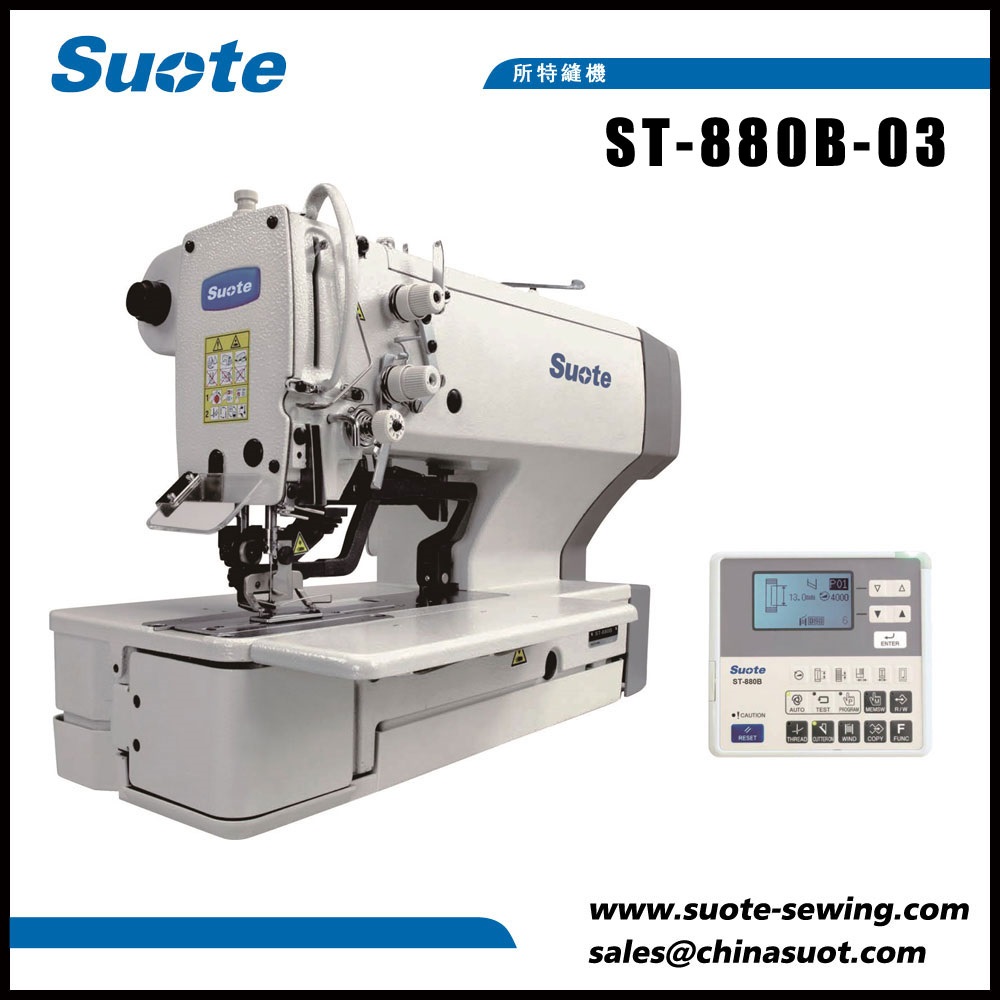
Before ordering a Button Hole Sewing Machine, buyers should prepare clear information. This helps the supplier recommend the right machine and helps the factory avoid delays after delivery.
- Garment type: Confirm whether the machine will be used for shirts, suits, jeans, uniforms, gloves, or other products.
- Fabric details: Provide fabric thickness, softness, stretch level, and whether the fabric frays easily.
- Buttonhole size: Share the common length and shape required for current orders.
- Daily output target: Estimate how many pieces or buttonholes need to be completed per shift.
- Operator skill level: Consider whether the team needs a simpler operation panel or more automated features.
- Power and workshop conditions: Confirm compatibility with the factory environment.
- After-sales needs: Ask about manuals, spare parts, troubleshooting, and service communication.
Buyers who prepare this information usually receive a more accurate recommendation. It also gives the supplier a better chance to solve real production pain points instead of only quoting a standard model.
FAQ
1. Is a Button Hole Sewing Machine necessary for small garment factories?
If the factory regularly produces garments with buttons, a professional buttonhole machine can improve finishing quality and save labor time. For very small batches, manual or basic equipment may work, but once orders become repetitive, a dedicated machine usually becomes more efficient.
2. Can one machine handle different buttonhole sizes?
Many industrial buttonhole machines allow size adjustment, but the suitable range depends on the machine type and configuration. Buyers should confirm the required buttonhole length and shape before ordering.
3. What causes poor buttonhole quality?
Common causes include incorrect thread tension, unsuitable needle, poor fabric handling, wrong settings, low machine stability, or a machine that does not match the material. Operator training and maintenance also affect the final result.
4. How should buyers compare different suppliers?
Buyers should compare product range, technical communication, application knowledge, spare part support, machine details, and whether the supplier asks enough questions about real production needs. A supplier who understands your application can provide more useful guidance.
5. Does a higher-speed machine always mean better productivity?
Not always. Speed only helps when stitch quality, cutting stability, operator control, and material handling remain reliable. A slightly slower but stable machine may be more valuable than a fast machine that creates frequent defects.
6. What information should I send when requesting a quotation?
Send your garment type, fabric type, buttonhole size, production quantity, expected machine function, destination country, and any special requirements. Photos or videos of your product can also help the supplier understand your needs faster.
Final Thoughts
A buttonhole may be small, but it carries a lot of responsibility in garment manufacturing. It affects appearance, durability, inspection results, buyer confidence, and production speed. Choosing the right Button Hole Sewing Machine is not just about adding another machine to the workshop. It is about making one of the most visible finishing details more stable, efficient, and professional.
For factories that want cleaner buttonholes, fewer rejected garments, smoother workflow, and better control over repeated orders, a well-matched machine can make a measurable difference. The best choice starts with understanding the fabric, the garment, the production pressure, and the quality standard expected by the customer.
Zhejiang Suote Sewing Machine Mechanism Co.,Ltd provides industrial sewing machine solutions for buyers who need practical equipment support in garment production. If you are comparing buttonhole sewing equipment for your factory, prepare your product details and speak with a supplier who can match the machine to your real working conditions.
Looking for a suitable Button Hole Sewing Machine for shirts, suits, jeans, uniforms, gloves, or other garment production lines? Share your fabric type, buttonhole size, and production needs with Zhejiang Suote Sewing Machine Mechanism Co.,Ltd today. For model suggestions, quotation support, or technical communication, please contact us and let our team help you choose equipment that fits your factory instead of forcing your factory to fit the machine.