

- English
- ελληνικά
- Esperanto
- Afrikaans
- tiếng Việt
- Italiano
- שפה עברית
- Cymraeg
- العربية
- Gaeilge
- český
- Eesti Keel
- Galego
- Indonesia
- Español
- русский
- Nederlands
- Português
- Norsk
- Türkçe
- Lietuvos
- Latviešu
- Pilipino
- ภาษาไทย
- Română
- icelandic
- Polski
- беларускі
- Français
- български
- український
- Hrvatski
- Deutsch
- Kreyòl ayisyen
- Dansk
- فارسی
- हिन्दी
- Suomi
- magyar
- 日本語
- 한국어
- Svenska
- Slovenský jazyk
- Malti
- Malay
- አማርኛ
- Bosanski
- Latine
- ລາວ
- Hawaiian
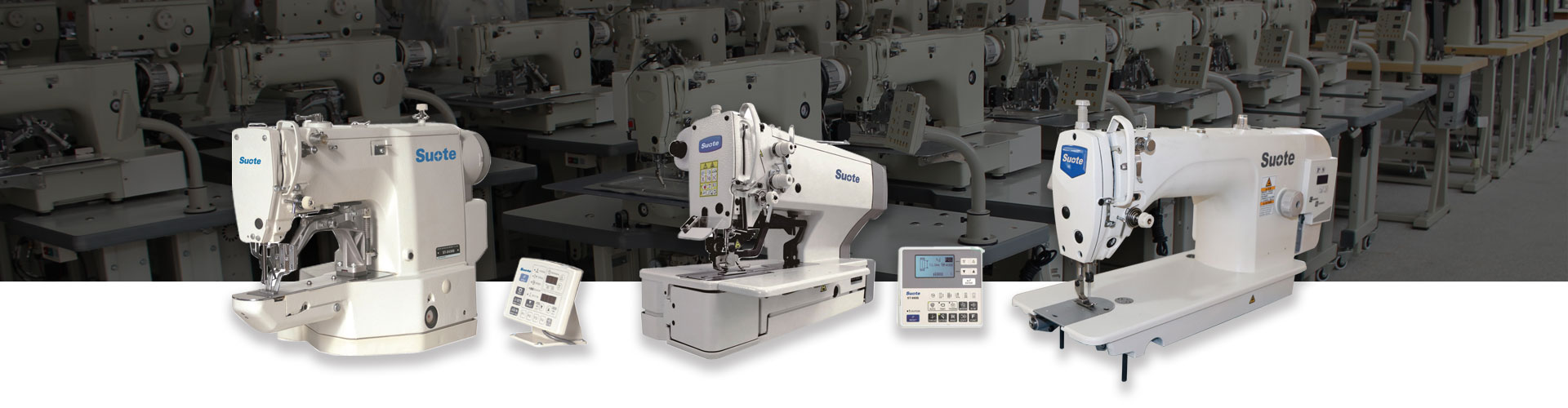
What Makes Modern Suit Sewing Machines Essential for Quick-Change Production?
Imagine a modern garment factory where the production line switches from sewing suit lapels to stitching trouser waistbands in under three minutes. Operators simply press a button, the machine automatically adjusts its settings, and the new style is in production. There is no downtime for manual adjustments, no wasted fabric from misaligned seams, and no frustration from complex mechanical changes. This is not a futuristic vision; it is the reality enabled by modern suit sewing machines. These advanced machines have transformed the garment industry, making it possible to respond to market demands with incredible speed and efficiency. In this article, we will explore what makes modern Suit Sewing Machine essential for quick-change production.
The era of the dedicated sewing machine, where each machine performed only one operation, is over. Today's suit sewing machine is a flexible, programmable tool that can be reconfigured in minutes. This is not just about convenience; it is about survival in a market where fast fashion and rapid order fulfillment are the new norms. A manufacturer that cannot respond to a change order within hours will lose business to a competitor that can. Modern suit sewing machines are the key to this agility. The integration of quick-change mechanisms, programmable automation, and intelligent controls has transformed the suit sewing machine from a fixed-purpose device into a versatile asset. This article will dissect the specific features that enable this transformation, looking at the design of the machine heads, the software that drives them, and the integrated servo systems that ensure precision at every speed.
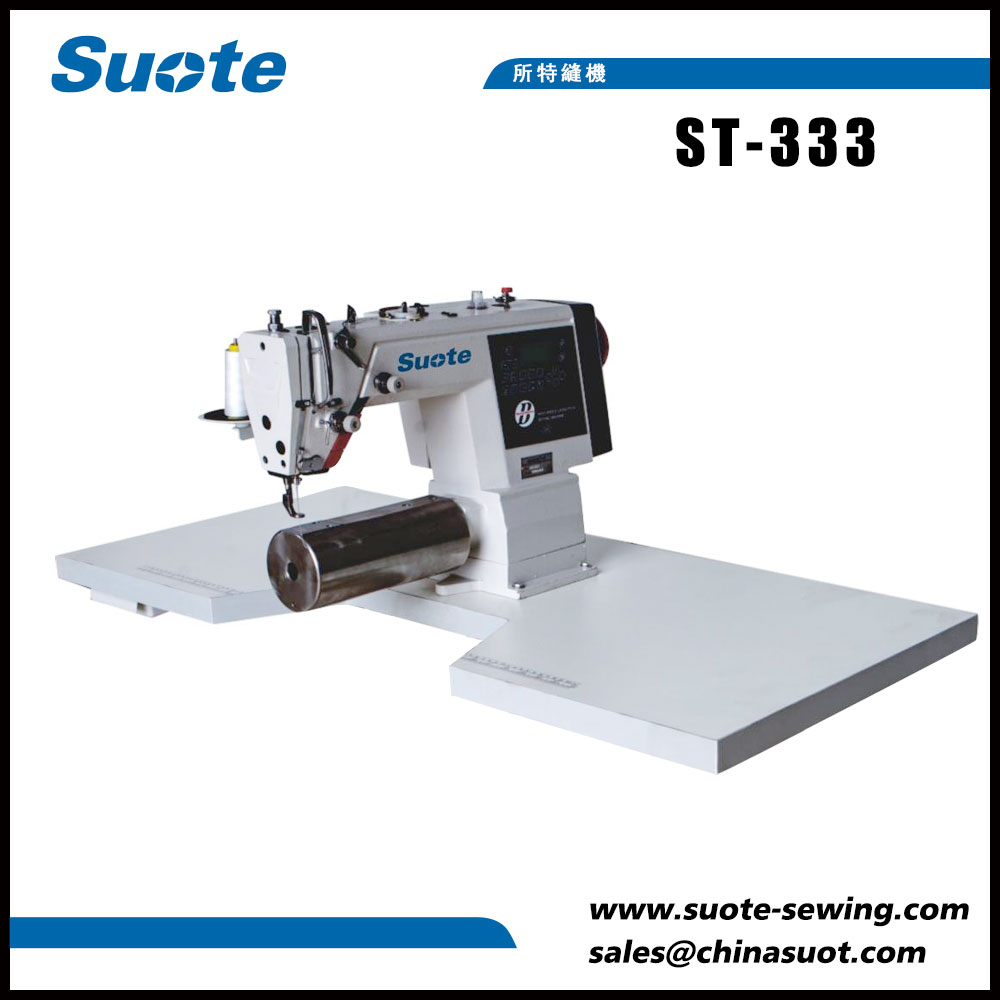
Table of Contents
- 1. What Is a Modern Suit Sewing Machine and How Has It Evolved?
- 2. What Quick-Change Mechanisms Are Integrated into Modern Suit Sewing Machines?
- 3. How Does Automation and Pattern Recognition Enable Rapid Reconfiguration?
- 4. What Technical Specifications Define a Quick-Change-Capable Suit Sewing Machine?
- 5. How Does Servo Motor Technology Enhance Performance and Efficiency?
- 6. What Is the Cost-Benefit Analysis of Implementing Modern Suit Sewing Machines?
- 7. Frequently Asked Questions (FAQ)
- 8. Conclusion
1. What Is a Modern Suit Sewing Machine and How Has It Evolved?
Before exploring the features that make modern suit sewing machines essential for quick-change production, it is helpful to understand what a modern suit sewing machine is and how it differs from its predecessors. A suit sewing machine, at its core, is a specialized industrial sewing machine designed to perform the intricate stitching required for tailoring suits—operations such as attaching lapels, sewing sleeve linings, stitching pockets, and creating crisp seams. The modern suit sewing machine has evolved from a purely mechanical device into an integrated electronic-mechanical system.
The evolution can be traced through several distinct phases. The first generation of suit sewing machines were purely mechanical, driven by electric motors and controlled by hand wheels and levers. These machines were reliable but limited in flexibility. Changing from one operation to another required significant downtime and mechanical adjustment. The second generation introduced basic electronic controls, including simple stitch counters and pattern selectors. While an improvement, these machines still required manual intervention for many adjustments. The third generation, which is what we manufacture at Zhejiang Suote Sewing Machine Mechanism Co.,Ltd, is fully computerized and programmable. These machines feature touchscreen interfaces, memory for storing thousands of programs, and the ability to rapidly change between different operations. This evolution is the foundation for the quick-change capability that modern factories demand.
The transition to computer-controlled suit sewing machines has been driven by several factors. The globalization of the garment industry has created intense competition, requiring manufacturers to be agile and efficient. The demand for faster turnaround times has made it essential to reduce setup times. The need for higher quality and consistency has led to the adoption of automated systems that can replicate perfect stitches every time. The rise of fast fashion has amplified these pressures, making quick-change production a necessity. At Suote, we have engineered our Suit Sewing Machine to meet these demands, incorporating advanced control systems and quick-change features that are essential for modern production.
2. What Quick-Change Mechanisms Are Integrated into Modern Suit Sewing Machines?
The ability to change from one sewing operation to another quickly is the defining feature of a modern suit sewing machine. This is achieved through a combination of mechanical, electronic, and software-based features. The first line of defense against downtime is the quick-change mechanism, which allows operators to swap out key components in seconds. The machine head itself may be designed with tool-less changeover, where components such as the presser foot, the needle plate, and the feed dog can be removed and replaced with a simple release mechanism, without the need for special tools.
One of the most powerful quick-change features is the automatic stitch length and tension adjustment. In a traditional mechanical suit sewing machine, these adjustments required manual intervention, often with the aid of a screwdriver and a test piece. In a modern suit sewing machine, these adjustments are made electronically. The operator simply selects a new program from the machine's memory, and the machine automatically adjusts the stitch length, the thread tension, and the feed rate. This electronic control is a key factor in reducing downtime. The machine can also be programmed with multiple stitch patterns, allowing the operator to switch between different designs with a single command.
The quick-change mechanisms are designed to operate with speed and precision. For example, a typical quick-change presser foot can be swapped in under five seconds, a task that might have taken several minutes on an older machine. The automatic needle threader and the automatic bobbin winder also contribute to the overall speed. These features, while perhaps not directly part of the quick-change mechanism, reduce the time required for routine tasks and ensure that the machine can be ready for production as soon as the changeover is complete. At Suote, we have integrated a full suite of quick-change features into our suit sewing machine, making it a true rapid-change device.
Below is a summary of the key quick-change mechanisms integrated into a modern Suit Sewing Machine.
| Quick-Change Feature | Description | Time Saved |
| Tool-less Presser Foot Change | Presser foot can be changed without tools | Reduces changeover time by 80% |
| Electronic Stitch Length Adjustment | Stitch length is adjusted via software | Eliminates manual adjustment time |
| Programmable Tension Control | Thread tension is set and controlled electronically | Eliminates trial and error |
| Automatic Needle Threader | Machine threads the needle automatically | Reduces setup time by up to 90% |
| Quick-Change Feed Dog | Feed dog can be changed without removing the needle plate | Reduces changeover time by 50% |
| Automatic Bobbin Winder | Bobbin is wound automatically | Minimizes downtime for bobbin changes |
3. How Does Automation and Pattern Recognition Enable Rapid Reconfiguration?
Beyond the mechanical quick-change mechanisms, the real power of a modern suit sewing machine lies in its automation and pattern recognition capabilities. These software-based features enable rapid reconfiguration of the machine, making it possible to switch from one garment style to another at the touch of a button. The machine's control system is the brain behind the operation, storing and executing a vast library of sewing programs. When the production line needs to change from sewing one style to another, the operator simply selects the new program from the machine's interface.
One of the most powerful features of a modern suit sewing machine is its ability to store and recall sewing patterns. The machine can be programmed with a wide variety of stitch patterns, including different stitch types, stitch lengths, and stitch directions. The programs can be developed and stored on the machine's memory, on a USB drive, or even downloaded from a central server. This allows a factory to maintain a library of sewing programs for each of its garments. When a new style is introduced, the program is simply uploaded to the machine, and the machine is ready to produce the new design. This process is far faster and more reliable than the manual setup of a traditional sewing machine.
Another key feature is the automatic recognition of seam types. Some modern suit sewing machines are equipped with sensors that can detect the material type and the seam geometry, automatically adjusting the machine's settings for optimal performance. For example, the machine can detect the difference between a single layer of fabric and a multi-layer seam, adjusting the tension and the feed rate accordingly. This automation reduces the need for operator intervention, making the changeover process even faster and more reliable. This is especially valuable when dealing with complex suit constructions, where multiple seam types are often required.
The pattern recognition capability can also be used to optimize the production process. By analyzing the frequency of different garment styles, the factory can pre-load the most common programs into the machine's memory, minimizing the time required to switch between styles. The machine can also be programmed to automatically adjust its settings based on the specific material being used. For example, a suit sewing machine can be programmed with different settings for wool, cotton, and synthetic fabrics, ensuring consistent stitch quality across all materials. This is a crucial capability for factories that handle a wide variety of garments.
The following table provides a summary of the key automation and pattern recognition features of modern Suit Sewing Machine.
| Feature | Function | Benefit for Quick-Change Production |
| Programmable Stitch Patterns | Machine stores a library of stitch patterns | Allows instant change between styles |
| Automatic Seam Recognition | Machine detects seam type and adjusts settings | Reduces operator intervention and setup time |
| Material-Specific Settings | Machine adjusts settings for different fabrics | Ensures consistent quality across materials |
| USB/Network Program Upload | Programs can be uploaded from external storage | Enables rapid deployment of new styles |
| Automatic Tension Adjustment | Machine adjusts tension based on program | Eliminates manual tension setting |
4. What Technical Specifications Define a Quick-Change-Capable Suit Sewing Machine?
To achieve rapid changeover, a suit sewing machine must be built with specific technical specifications that enable its advanced features. The machine's hardware must be designed for speed and precision, while its software must be flexible and user-friendly. The following table provides a detailed overview of the key technical specifications for a modern, quick-change-capable suit sewing machine.
| Parameter | Value | Significance for Quick-Change |
| Max Sewing Speed | 5,000 - 7,000 stitches/min | High speed increases production throughput |
| Number of Stored Programs | Up to 500 | Allows storage of multiple garment designs |
| Programmable Stitch Length | 0.5 - 5.0 mm | Enables quick adjustment for different fabric types |
| Programmable Tension Range | 0.5 - 10.0 | Enables automatic adjustment for different materials |
| Presser Foot Height | 5 - 15 mm | Accommodates different fabric thicknesses |
| Needle Bar Stroke | 30 - 35 mm | Affects stitch formation and penetration |
| Motor Power | 550 - 750 W | Provides consistent power for heavy materials |
| Control System | Microprocessor-based with touchscreen | Enables rapid program selection and adjustment |
| Communication Interface | USB, RS-232, Ethernet | Allows program upload and network integration |
The specifications in this table highlight the capabilities that make a suit sewing machine a quick-change asset. The high sewing speed ensures that the machine can maintain production rates even when switching between different tasks. The large number of stored programs means that the machine can be pre-configured for a wide variety of sewing operations, reducing the need to program a new task each time. The programmable stitch length and tension allow the machine to adapt to different materials and designs. The communication interfaces enable network integration, allowing the machine to be part of a factory-wide manufacturing execution system. Our factory at Zhejiang Suote Sewing Machine Mechanism Co.,Ltd manufactures suit sewing machine with these specifications as standard, ensuring that our customers have the capability to meet the demands of quick-change production.
5. How Does Servo Motor Technology Enhance Performance and Efficiency?
Modern suit sewing machines are powered by servo motors, a technology that has revolutionized industrial sewing. A servo motor is a type of electric motor that uses feedback from a sensor to precisely control its position, speed, and torque. This level of control is essential for quick-change production, as it allows the machine to adapt to different materials and stitch patterns instantaneously. The servo motor provides several key benefits over traditional clutch motors and other motor types.
The primary advantage of a servo motor is its precision and control. The machine's control system can command the servo motor to rotate at a specific speed, stop at a specific angle, and apply a specific amount of torque. This level of control is essential for achieving consistent stitch quality and for accommodating different material thicknesses. For example, when sewing a thick seam, the servo motor can apply more torque to ensure the needle penetrates the fabric completely. When sewing a delicate seam, the torque can be reduced to prevent puckering. The machine can also be programmed to automatically adjust the motor's performance based on the selected program, making the changeover process seamless.
Another major advantage is the energy efficiency of a servo motor. Unlike a clutch motor, which runs continuously and wastes energy as heat, a servo motor only uses power when it is actively sewing. This can result in significant energy savings, as much as 70% over a traditional clutch motor. In a factory with multiple suit sewing machines, the energy savings can be substantial, reducing operating costs and improving the environmental sustainability of the operation. At Zhejiang Suote Sewing Machine Mechanism Co.,Ltd, we integrate advanced servo motor technology into our suit sewing machine, ensuring that our customers benefit from the precision and efficiency of modern motor technology.
The servo motor also contributes to quieter operation and lower maintenance requirements. The motor's precise control reduces vibration and wear on the mechanical components, extending the life of the machine. The lower operating temperature also reduces the thermal stress on the machine's components, improving reliability. The following table compares the performance of a suit sewing machine with a servo motor to a comparable machine with a traditional clutch motor.
| Feature | Servo Motor | Clutch Motor |
| Precision | High | Moderate |
| Energy Efficiency | 70% energy savings | Wasteful (runs continuously) |
| Noise Level | Low | High |
| Maintenance | Low | High (due to heat and wear) |
| Control | Programmable speed, torque, and position | Limited to speed and stop |
| Cost | Higher initial cost, lower operating cost | Lower initial cost, higher operating cost |
6. What Is the Cost-Benefit Analysis of Implementing Modern Suit Sewing Machines?
Investing in modern suit sewing machines is a significant capital expenditure, and it is important to conduct a thorough cost-benefit analysis to justify the investment. The higher initial cost of a modern suit sewing machine, compared to a traditional machine, is offset by the benefits of increased productivity, reduced downtime, improved quality, and lower operating costs. The analysis should consider the total cost of ownership, which includes the purchase price, installation, training, maintenance, and operating costs over the machine's life. The benefits include increased throughput, reduced labor costs, lower material waste, and improved product quality.
The most significant benefit of a modern suit sewing machine is the increase in productivity. The machine's ability to change over quickly and automatically reduces the time required to switch between different styles or designs. This means that the factory can produce a wider variety of garments with the same number of machines and workers. The increased throughput also allows the factory to respond more quickly to customer orders. In an industry where lead times are shrinking, this agility is a critical competitive advantage. The higher sewing speed and automated features also reduce the time required to produce each garment, further increasing productivity.
Another important benefit is the improvement in quality. The machine's precise control and automation ensure consistent stitch quality, reducing the need for rework and improving the overall quality of the finished garments. The automatic features also reduce the risk of operator error, leading to fewer defects. This not only improves customer satisfaction but also reduces the cost associated with rework. The lower operating costs, including reduced energy consumption and maintenance requirements, further contribute to the overall savings. The table below presents a simplified cost-benefit analysis for a factory implementing 50 modern suit sewing machines.
| Cost Category | Traditional Machine | Modern Machine | Annual Savings |
| Purchase Cost per Machine | $3,000 | $6,000 | -$3,000 (per machine) |
| Energy Cost (annual, per machine) | $500 | $150 | $350 |
| Maintenance Cost (annual, per machine) | $400 | $100 | $300 |
| Labor Cost (per machine, annual) | $25,000 | $20,000 | $5,000 |
| Productivity (garments per shift) | 100 | 150 | +50 garments |
| Rework Cost (annual, per machine) | $2,000 | $500 | $1,500 |
| Total Annual Savings (per machine) | - | - | $7,150 |
This simplified analysis shows that a modern suit sewing machine, despite its higher initial cost, can generate substantial annual savings. The payback period for the investment is less than one year. The increased productivity and reduced labor costs are the primary drivers of the savings. For a factory that is considering an upgrade, this type of analysis provides a clear justification for the investment. At Zhejiang Suote Sewing Machine Mechanism Co.,Ltd, we can assist our customers in performing a detailed cost-benefit analysis for their specific production environment, helping them make an informed investment decision.
7. Frequently Asked Questions (FAQ)
Question 1: What is the typical changeover time for a modern suit sewing machine?
Answer: The changeover time for a modern suit sewing machine can be as low as 2-3 minutes. This includes the time to select a new program, change the presser foot and feed dog (if necessary), and start production. This is a significant reduction compared to the 30-60 minutes that a traditional machine would require. The actual changeover time depends on the machine's specific quick-change features and the operator's familiarity with the process. Our factory at Zhejiang Suote Sewing Machine Mechanism Co.,Ltd has designed our suit sewing machine to minimize changeover time, ensuring that your production line can adapt quickly to changing demands.
Question 2: Can a modern suit sewing machine handle different fabric types and thicknesses?
Answer: Yes, a modern suit sewing machine is designed to handle a wide variety of fabric types and thicknesses. The machine's automatic tension control and programmable stitch length allow it to adapt to different materials. The presser foot height can also be adjusted to accommodate different thicknesses. For more demanding applications, such as sewing multiple layers of heavy fabric, the servo motor provides the necessary torque to ensure consistent stitch quality. The machine's versatility is one of its key features for quick-change production.
Question 3: What is the payback period for investing in modern suit sewing machines?
Answer: The payback period for a modern suit sewing machine is typically less than one year, based on the savings in labor, energy, maintenance, and rework costs. The exact payback period depends on the factory's production volume, the number of machines, and the specific operating costs. For high-volume factories, the payback period can be even shorter, often within 6-8 months. The investment is justified by the significant improvements in productivity and efficiency.
Question 4: Do operators require special training to operate modern suit sewing machines?
Answer: While modern suit sewing machines are more sophisticated than traditional machines, they are also designed to be user-friendly. The touchscreen interface and intuitive software make it easy for operators to select and manage programs. However, some training is required to familiarize operators with the machine's features, such as the quick-change mechanisms and the program selection process. Most operators can become proficient with a short training session, and the machine's automation handles many of the complex tasks.
Question 5: Can modern suit sewing machines be integrated into a factory's manufacturing execution system (MES)?
Answer: Yes, modern suit sewing machines can be integrated into a factory's MES. The machine's communication interfaces (such as Ethernet, RS-232, and USB) allow it to exchange data with a central server. This enables real-time monitoring of production performance, automated program downloads, and centralized data collection. The integration of sewing machines into the MES is a key component of the Industry 4.0 strategy, enabling smart manufacturing.
8. Conclusion
The modern suit sewing machine is an essential tool for any garment manufacturer seeking to compete in today's fast-paced environment. Its ability to change over quickly, combined with advanced automation, precision control, and energy efficiency, makes it the foundation of a responsive and agile production line. From quick-change mechanisms and pattern recognition to servo motor technology and network integration, every feature of the modern suit sewing machine is designed to improve productivity and reduce downtime. The investment in these machines is quickly recouped through savings in labor, energy, and materials.
At Zhejiang Suote Sewing Machine Mechanism Co.,Ltd, we are proud to be at the forefront of this technology. Our Suit Sewing Machine are engineered with the latest innovations to meet the demands of modern garment manufacturing. We invite you to contact us to discuss your specific requirements and to learn how our machines can transform your production line. Our team of experts will work with you to select the right machine for your application and to provide the support you need to maximize your investment.
Contact Zhejiang Suote Sewing Machine Mechanism Co.,Ltd today to learn more about our Suit Sewing Machine and how they can help you achieve quick-change production.