

- English
- ελληνικά
- Esperanto
- Afrikaans
- tiếng Việt
- Italiano
- שפה עברית
- Cymraeg
- العربية
- Gaeilge
- český
- Eesti Keel
- Galego
- Indonesia
- Español
- русский
- Nederlands
- Português
- Norsk
- Türkçe
- Lietuvos
- Latviešu
- Pilipino
- ภาษาไทย
- Română
- icelandic
- Polski
- беларускі
- Français
- български
- український
- Hrvatski
- Deutsch
- Kreyòl ayisyen
- Dansk
- فارسی
- हिन्दी
- Suomi
- magyar
- 日本語
- 한국어
- Svenska
- Slovenský jazyk
- Malti
- Malay
- አማርኛ
- Bosanski
- Latine
- ລາວ
- Hawaiian
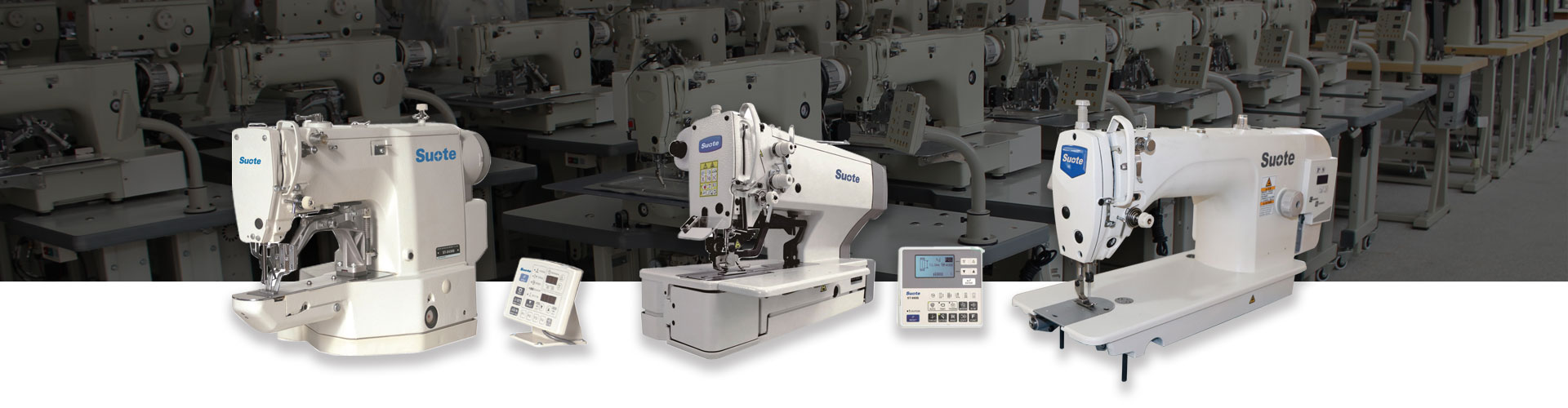
How Can a Single Needle Flat-Bed Tacking And Basting Machine Improve Suit Sewing Efficiency and Stitching Quality
Suote has more than 20 years of experience in developing and manufacturing specialized industrial sewing equipment, and its Single Needle Flat-Bed Tacking And Basting Machine is designed to support precise, efficient temporary stitching and basting operations in suit and garment production. With an independent clamp, convenient thread release, flat-knife thread cutting, automatic oil feeding, and a 16.5 mm presser-foot lift, the ST-1243 provides a practical solution for manufacturers seeking stable sewing performance and easier material handling.
A reliable basting machine plays an important role in garment manufacturing because temporary stitching must be accurate enough to hold fabric layers in position while remaining easy to remove or adjust during subsequent sewing operations. The Single Needle Flat-Bed Tacking And Basting Machine is specifically designed for this type of workflow.
The Suote ST-1243 combines single-needle tacking operation with a flat-bed structure and independent clamping mechanism. Its design allows the seam to move more easily when the thread is loosened, while the flat knife helps cut the thread efficiently and the bottom thread can be clamped after trimming. These features make the machine particularly suitable for suit-related sewing processes where positioning, handling, and consistency are important.
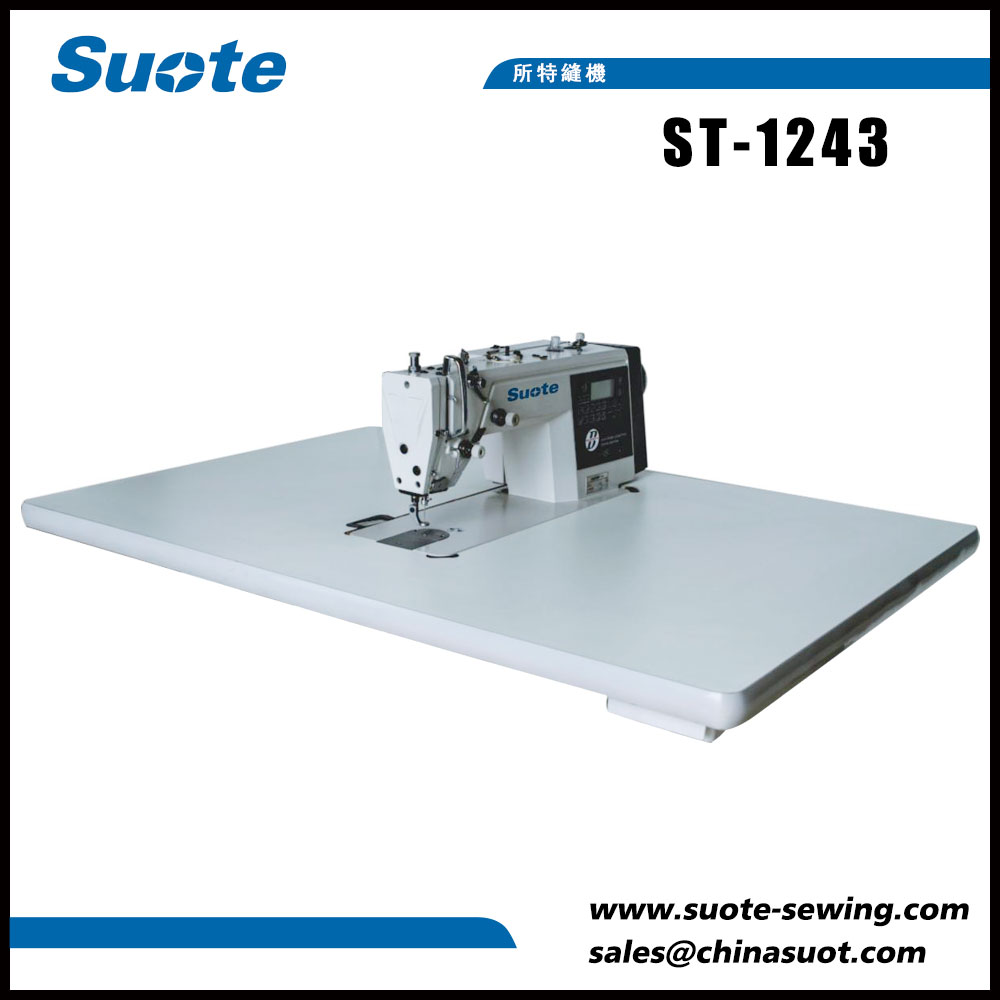
Table of Contents
- What Is a Single Needle Flat-Bed Tacking And Basting Machine?
- Why Is Basting Important in Professional Garment Manufacturing?
- What Are the Key Features of the Suote ST-1243?
- What Are the Main Specifications and Functions?
- Where Can This Industrial Basting Machine Be Used?
- What Benefits Can Manufacturers Expect?
- How Should Buyers Choose a Suitable Basting Machine?
- How Can Operators Maintain Stable Sewing Performance?
- Frequently Asked Questions
- Conclusion
What Is a Single Needle Flat-Bed Tacking And Basting Machine?
A Single Needle Flat-Bed Tacking And Basting Machine is an industrial sewing machine designed for temporary stitching, positioning, and basting operations before permanent sewing is completed. Unlike a conventional sewing machine used primarily for final seams, a basting machine focuses on helping operators hold fabric layers and garment components in the correct position during production.
The flat-bed configuration provides a stable working surface for handling garment panels and fabric sections. The single-needle construction offers a straightforward sewing path, while the clamping and thread-handling mechanism helps operators control the material more effectively.
For suit manufacturing, basting is especially valuable because many garment components need accurate positioning before final assembly. A properly controlled basting process can help reduce unnecessary movement between fabric layers and make subsequent sewing operations easier to manage.
Why Is Basting Important in Professional Garment Manufacturing?
Basting is often used as an intermediate production step. It temporarily joins or positions components so that the operator can inspect alignment before completing the permanent seam.
In professional garment production, effective basting can contribute to:
- Better alignment between fabric layers.
- More controlled handling of garment components.
- Improved consistency during subsequent sewing.
- Reduced fabric displacement during assembly.
- Easier adjustment before permanent stitching.
- A more organized workflow for suit and apparel production.
These advantages become particularly relevant when manufacturers handle structured garments where panel positioning and seam accuracy directly affect the finished appearance.
What Are the Key Features of the Suote ST-1243?
The Suote ST-1243 incorporates several functional elements designed around the requirements of industrial basting and tacking. According to the product information provided by Suote, the machine includes an independent clamp that can loosen the thread and allow the seam to move more easily. It also uses a flat knife for thread cutting and can clamp the bottom thread after cutting. :contentReference[oaicite:1]{index=1}
Independent Clamp Design
The independent clamp is one of the important structural features of the machine. By allowing the thread to loosen, the seam can be moved more conveniently during the production process. This is useful when operators need to adjust or reposition material before continuing with other sewing operations.
Flat-Knife Thread Cutting
The flat-knife cutting mechanism is designed to simplify thread handling after the basting operation. Efficient thread cutting can reduce unnecessary manual handling and help maintain a smoother production workflow.
Bottom Thread Clamping
After cutting, the machine can clamp the bottom thread. This function helps keep thread handling under control and contributes to a cleaner transition between individual sewing operations.
Long Thread Head
The product description also highlights its long thread head, which is intended to make stitching easier. This construction can provide operators with more convenient access during garment handling.
What Are the Main Specifications and Functions?
| Item | ST-1243 Information | Production Value |
|---|---|---|
| Machine Type | Single Needle Flat-Bed Tacking And Basting Machine | Suitable for industrial garment basting |
| Model | ST-1243 | Specific machine configuration |
| Needle Operation | Single needle | Simple and controlled tacking operation |
| Operation Method | Pedal-controlled tacking | Convenient operator control |
| Oil Feeding | Automatic oil feeding | Supports routine machine lubrication |
| Presser Foot Lift | 16.5 mm | Provides clearance for material handling |
| Clamp | Independent clamp | Helps loosen thread and move seams |
| Thread Cutting | Flat knife | Facilitates thread trimming |
The specifications above are based on the product information published for the ST-1243. :contentReference[oaicite:2]{index=2} Buyers should confirm the latest technical configuration, available options, and production requirements directly with the manufacturer before placing an order.
Where Can This Industrial Basting Machine Be Used?
The Single Needle Flat-Bed Tacking And Basting Machine is positioned within Suote's suit sewing machine category, making it particularly relevant to apparel and tailoring applications. Suote also lists related equipment for shoulder pads, pants pocket facing, sleeve setting, placket cutting, and sleeve lining operations. :contentReference[oaicite:3]{index=3}
Typical applications can include:
- Suit manufacturing: Temporary positioning of garment components before final sewing.
- Tailoring production: Supporting accurate fabric positioning during assembly.
- Garment factories: Integrating basting into a structured production line.
- Sample development: Allowing fabric components to be positioned and adjusted before permanent stitching.
- Structured apparel production: Helping maintain alignment between multiple fabric layers.
For manufacturers purchasing equipment from a China factory or evaluating an industrial sewing machine supplier, the application requirements should be assessed together with fabric characteristics, production volume, operator workflow, and the desired level of automation.
What Benefits Can Manufacturers Expect?
Choosing the right basting equipment is not simply about adding another machine to a production line. The machine should improve the overall sewing workflow while making operation more consistent.
1. More Convenient Material Handling
The independent clamp and thread-loosening function can make it easier for operators to move the seam during the basting process. This is particularly useful when garment components require adjustment before final sewing.
2. More Efficient Thread Management
The flat-knife cutting function and bottom-thread clamping mechanism help simplify thread handling. This can reduce repetitive manual work and support a more organized production process.
3. Practical Pedal Operation
Single-needle tacking by pedal provides direct operator control. For production environments where operators need to coordinate material positioning and stitching simultaneously, straightforward controls can help make the workflow easier to learn.
4. Automatic Oil Feeding
Automatic oil feeding is designed to support the machine's lubrication requirements during regular operation. Proper lubrication remains an important part of industrial sewing machine maintenance because moving components require suitable lubrication and inspection.
5. 16.5 mm Presser-Foot Lift
The 16.5 mm presser-foot lifting height provides useful clearance for material handling. This can be advantageous when operators need to place, remove, or reposition fabric during garment production. :contentReference[oaicite:4]{index=4}
How Should Buyers Choose a Suitable Basting Machine?
When sourcing an industrial basting machine, buyers should evaluate the equipment according to their actual production requirements rather than selecting solely according to price.
Important considerations include:
- Material compatibility: Consider the fabric types and thicknesses used in production.
- Production workflow: Determine where basting will be positioned within the complete sewing process.
- Operator requirements: Check whether the machine controls are suitable for existing workers.
- Thread management: Evaluate thread cutting, clamping, and loosening functions.
- Maintenance requirements: Confirm lubrication procedures and availability of replacement parts.
- Supplier experience: Work with a manufacturer that understands industrial sewing applications.
- After-sales support: Ask about manuals, technical assistance, spare parts, and service response.
A professional supplier should be able to provide clear technical information and help buyers determine whether a specific machine configuration matches their garment production process.
How Can Operators Maintain Stable Sewing Performance?
Even a well-designed industrial sewing machine requires appropriate operation and maintenance. Operators should establish a regular inspection routine rather than waiting until a performance problem occurs.
- Keep the machine clean and remove accumulated lint and thread waste.
- Follow the manufacturer's lubrication requirements.
- Inspect the needle and replace damaged or unsuitable needles promptly.
- Check thread routing and tension when stitch quality changes.
- Keep the working area around the presser foot and clamp clear.
- Inspect the thread-cutting mechanism during routine maintenance.
- Train operators to use the pedal and material-handling functions correctly.
Consistent maintenance can help manufacturers protect machine performance, reduce avoidable interruptions, and maintain a more predictable production schedule.
Frequently Asked Questions
What is the model of Suote's Single Needle Flat-Bed Tacking And Basting Machine?
The model listed by Suote is ST-1243. :contentReference[oaicite:5]{index=5}
What is the presser-foot lifting height?
The listed presser-foot lifting height is 16.5 mm. This provides additional clearance for placing and handling fabric during sewing operations. :contentReference[oaicite:6]{index=6}
How is the machine operated?
The product information states that the machine performs single-needle tacking by pedal, providing direct control during the sewing process. :contentReference[oaicite:7]{index=7}
Does the machine have automatic oil feeding?
Yes. Automatic oil feeding is listed as one of the machine's features. :contentReference[oaicite:8]{index=8}
What makes the machine different from a standard sewing machine?
The machine is specifically designed for tacking and basting operations and incorporates functions such as an independent clamp, thread loosening, flat-knife thread cutting, and bottom-thread clamping. These functions are intended to make temporary stitching and seam handling more convenient.
Is this machine suitable for suit manufacturing?
Yes. The product is included in Suote's suit sewing machine category and is designed for specialized garment sewing workflows. :contentReference[oaicite:9]{index=9}
Conclusion
A dependable basting process can make a meaningful difference in garment production, particularly when fabric positioning and seam control are essential. The Single Needle Flat-Bed Tacking And Basting Machine combines a flat-bed structure, independent clamp, thread-loosening function, flat-knife thread cutting, bottom-thread clamping, pedal operation, automatic oil feeding, and a 16.5 mm presser-foot lift into a specialized solution for suit and garment applications. :contentReference[oaicite:10]{index=10}
For apparel manufacturers, tailoring businesses, and international buyers looking for an experienced China industrial sewing machine manufacturer, the ST-1243 can be evaluated as part of a complete garment production solution. If you are comparing machine configurations, discussing fabric requirements, or looking for a reliable supplier for your sewing project, contact us to discuss your requirements and receive professional product guidance from Suote.