

- English
- ελληνικά
- Esperanto
- Afrikaans
- tiếng Việt
- Italiano
- שפה עברית
- Cymraeg
- العربية
- Gaeilge
- český
- Eesti Keel
- Galego
- Indonesia
- Español
- русский
- Nederlands
- Português
- Norsk
- Türkçe
- Lietuvos
- Latviešu
- Pilipino
- ภาษาไทย
- Română
- icelandic
- Polski
- беларускі
- Français
- български
- український
- Hrvatski
- Deutsch
- Kreyòl ayisyen
- Dansk
- فارسی
- हिन्दी
- Suomi
- magyar
- 日本語
- 한국어
- Svenska
- Slovenský jazyk
- Malti
- Malay
- አማርኛ
- Bosanski
- Latine
- ລາວ
- Hawaiian
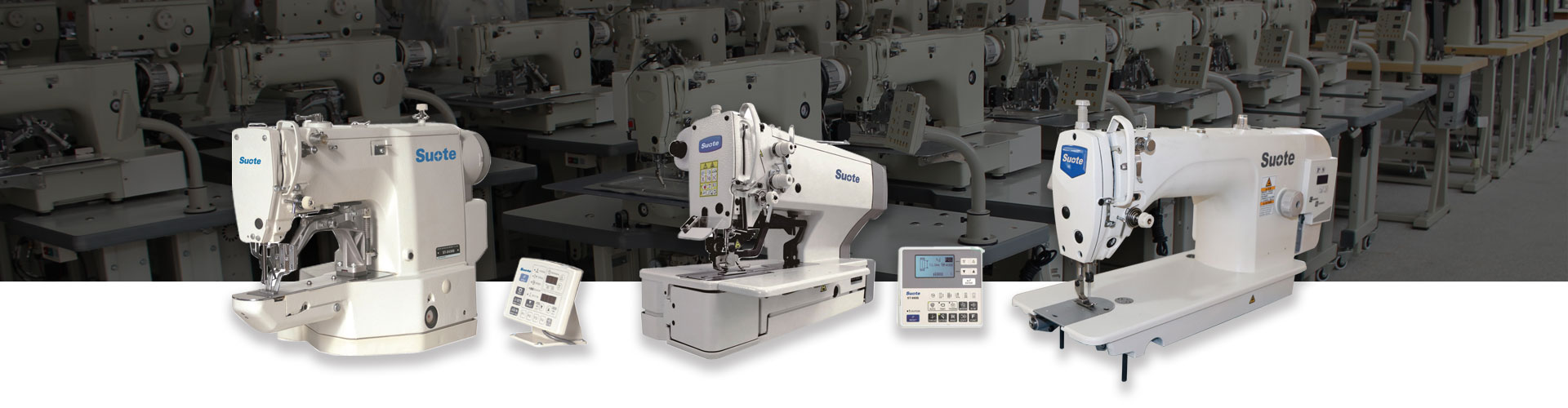
Which Blind Stitch Sewing Machine Fits Modern Garment Finishing Best?
Clean hems can make an ordinary garment look refined, expensive, and ready for the shelf. Yet in actual production, hemming is often where quality problems quietly begin. Visible needle marks, fabric tunneling, inconsistent fold depth, skipped stitches, and uneven stretch recovery can all turn a good garment into a customer complaint. That is exactly why choosing the right Blind Stitch Sewing Machine matters so much for today’s clothing manufacturers, tailoring workshops, alteration businesses, and fashion brands.
A blind stitch finish is valued because it keeps the outer surface neat while still securing the hem from the inside. But buyers quickly discover that not every machine performs the same way across different fabrics, sewing volumes, and finishing standards. A machine that works well for trousers may not be ideal for knit skirts. A setup that handles standard woven fabric may struggle when a workshop starts producing premium materials or flexible fashion styles. The better question is not simply whether to buy a blind stitch unit, but which type of Blind Stitch Sewing Machine actually fits the work being done.
This article looks at the practical side of that decision. It covers the main pain points buyers face, the production scenarios where blind stitching delivers the most value, the machine features that affect finish quality, and the factors that help determine the right solution. Drawing from the product direction represented by Zhejiang Suote Sewing Machine Mechanism Co.,Ltd, this guide is written to help garment businesses make a more confident equipment choice without getting lost in vague marketing language.
Article Summary
This article explains how to choose the most suitable Blind Stitch Sewing Machine for modern garment finishing. It breaks down common hemming problems, compares application needs across fabric and garment types, outlines the machine features that influence stitch quality and productivity, and offers a practical framework for buyers who want cleaner results, lower rework rates, and more reliable output.
Contents
- Outline
- What Makes Blind Stitching So Valuable in Garment Production?
- What Problems Do Buyers Usually Try to Solve?
- Which Garments Benefit Most from Blind Stitch Sewing?
- What Machine Features Matter Most in Daily Use?
- How Do Different Production Needs Change the Right Choice?
- Which Buying Criteria Should Be Checked Before Ordering?
- What Helps Keep the Machine Stable Over Time?
- What Should Buyers Expect from a Reliable Supplier?
- FAQ
- Contact Us
Outline
- The role of blind stitch finishing in modern apparel production
- Typical hemming pain points that reduce product value
- Best-use garment categories for blind stitch applications
- Key machine features that directly affect quality and efficiency
- How production scale and fabric type influence machine choice
- Practical buying standards for workshops, factories, and brands
- Maintenance habits that protect performance and consistency
- Supplier evaluation for long-term cooperation and support
What Makes Blind Stitching So Valuable in Garment Production?
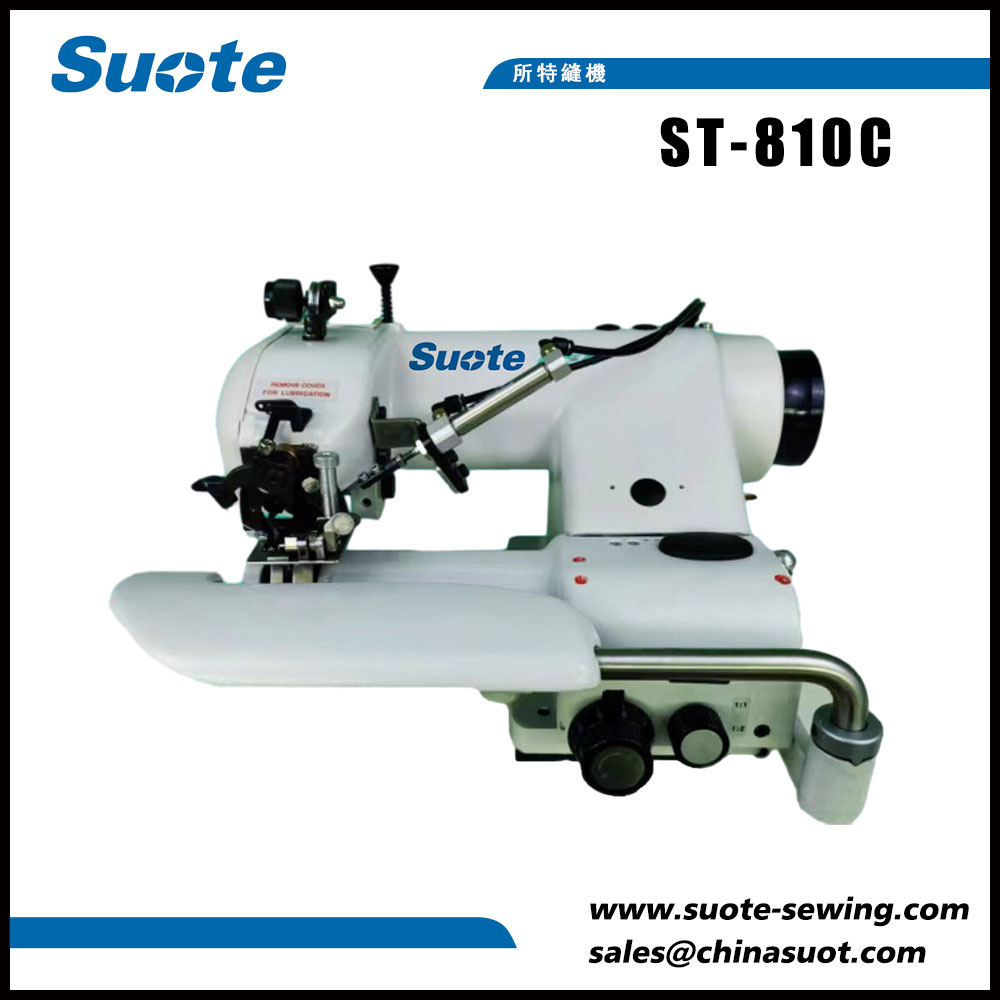
Blind stitching solves a problem that almost every apparel business eventually faces: how to secure a hem without letting the seam dominate the appearance of the garment. In many categories, especially dresswear, skirts, trousers, uniforms, suits, and premium casualwear, the customer expects a smooth outer look. Visible topstitching may be acceptable in some styles, but in many others it reduces the sense of refinement.
The purpose of a Blind Stitch Sewing Machine is not only to hide stitches. It also helps manufacturers produce a more elegant edge while controlling fabric handling during finishing. When the correct machine and settings are used, the result feels cleaner, more balanced, and more consistent from piece to piece. That consistency matters for brand reputation. One uneven hem can look like a small defect in a workshop, but it looks like poor quality control when it reaches a buyer.
Another reason blind stitching remains valuable is labor efficiency. Hand-finishing may still be used for luxury or special repair work, but it is difficult to scale, difficult to standardize, and too dependent on individual operator skill. A well-matched machine reduces that variability. It allows businesses to protect appearance while maintaining repeatable production logic.
What Problems Do Buyers Usually Try to Solve?
Most buyers do not start searching for a blind stitch solution out of curiosity. They start because something is not working well enough in the current process. Sometimes the issue is visual. Sometimes it is mechanical. Sometimes it is purely about speed. In most cases, it is a combination of all three.
- Visible hemming lines reduce the premium look of the garment
- Uneven stitch bite causes inconsistency across production lots
- Puckering or tunneling damages light or delicate fabrics
- Skipped stitches create weak points and lead to rework
- Operators spend too much time adjusting fold accuracy manually
- Different garment styles require different hemming behavior
- Current finishing methods are too slow for delivery schedules
These issues are especially common when a business grows from simple alteration work into more structured garment production, or when it moves from standard low-risk fabrics into materials that require a more controlled finishing approach. The wrong machine may still run, but it will consume time through corrections, operator frustration, and inconsistent output.
| Common Problem | Production Impact | What the Right Machine Helps Improve |
|---|---|---|
| Stitches visible on the garment face | Lower perceived product value | Cleaner finish with more discreet hemming |
| Skipped stitches | Weak hems and rework | More stable stitch formation |
| Fabric puckering | Rejects on lightweight or sensitive materials | Better fabric handling and tension balance |
| Slow finishing speed | Delivery delay and higher labor cost | Improved workflow efficiency |
| Inconsistent operator results | Uneven quality across batches | More repeatable production performance |
Which Garments Benefit Most from Blind Stitch Sewing?
Not every garment needs blind stitching, but many categories benefit from it far more than buyers first expect. The ideal application is any garment where the outside appearance of the hem matters and the stitching should stay subtle rather than decorative.
Trousers are a classic example. A visible hem line can interrupt a clean silhouette, especially in formal or uniform styles. Skirts and dresses also benefit because the hem needs to sit neatly without drawing attention. Structured knitwear, certain outerwear pieces, sleeve hems, cuffs, and alteration work all fall into relevant application areas as well.
This is where the practical value of application-specific machine selection becomes obvious. Some businesses need a blind stitch unit mainly for alterations and small-batch fashion work. Others need a more production-oriented configuration that can support repeated factory use across stable styles. The right answer depends on product mix.
| Garment Type | Why Blind Stitching Works Well | Main Buyer Concern |
|---|---|---|
| Dress trousers | Maintains a refined, clean leg finish | Consistent hem depth and discreet stitch appearance |
| Skirts and dresses | Supports a smooth outer look | Fabric control on lighter materials |
| Uniforms | Creates tidy and durable finishing | Repeatability in batch production |
| Knit garments | Helps preserve appearance without heavy top lines | Stretch response and stitch stability |
| Alteration work | Improves quality perception for customer-facing repair jobs | Ease of use and flexibility across styles |
What Machine Features Matter Most in Daily Use?
Buyers often focus too much on headline specifications and not enough on the features that affect real production every day. A blind stitch machine is only as useful as its performance under continuous use. That means the best machine is not necessarily the one with the longest sales description. It is the one that helps operators maintain stable results with less correction.
First, stitch consistency matters. If the needle bite is not stable, the hem will either show on the outside too much or fail to hold securely. Second, fabric adaptability is essential. Workshops rarely deal with just one fabric weight forever. A practical Blind Stitch Sewing Machine should support reasonable flexibility across garment categories. Third, operator handling matters more than many buyers expect. Smooth feeding, clear adjustment logic, and a machine layout that does not fight the user can save a surprising amount of time.
- Stable stitch formation for a cleaner blind finish
- Good adaptability for woven and selected knit applications
- Reliable feeding performance to reduce hem distortion
- Accessible adjustment points for easier setup
- Durable internal structure for long-term factory use
- Reasonable maintenance design for routine servicing
Businesses comparing suppliers should also pay attention to the logic of the product line. A manufacturer that understands blind stitching usually offers machines built around different use cases rather than pretending one model solves everything. That is one reason buyers often look at specialist suppliers such as Zhejiang Suote Sewing Machine Mechanism Co.,Ltd, where the product direction clearly reflects the needs of blind stitch and hemming operations rather than treating them as an afterthought.
How Do Different Production Needs Change the Right Choice?
The “best” machine depends on what kind of business is buying it. A tailoring shop, a garment exporter, and a fashion sampling room will not always need the same thing. When buyers ignore this, they often end up with equipment that looks acceptable on paper but creates friction in actual work.
Small workshops usually prioritize ease of use, flexibility, and low training pressure. They may handle many garment types in small quantities, so adaptability matters more than maximum line speed. Factories with repeat styles typically value output consistency, mechanical reliability, and reduced downtime. Brands with premium presentation requirements may care most about the visual subtlety of the finished hem.
| Buyer Type | Main Priority | Recommended Focus |
|---|---|---|
| Tailoring or alteration shop | Versatility across customer garments | Easy setup and broad usability |
| Small garment workshop | Balanced cost and finish quality | Stable daily performance |
| Larger apparel factory | Consistency and workflow efficiency | Durability and batch repeatability |
| Fashion brand or premium line producer | Refined visual appearance | Precise, discreet hem finishing |
That is why the right selection process starts with application reality, not abstract comparison. Buyers should ask what garments they produce most often, what defects cost them the most, how skilled their operators are, and how often the machine will be used. Those answers usually narrow the decision far more effectively than broad sales claims.
Which Buying Criteria Should Be Checked Before Ordering?
A careful purchase decision should go beyond price. The cheapest option may become the most expensive if it introduces instability, slows training, or increases correction rates. Before ordering a Blind Stitch Sewing Machine, buyers should work through a short but disciplined evaluation list.
- Define the main garment categories the machine will handle
- Identify the fabrics most often used in production
- Confirm whether the machine is intended for sampling, alteration, or mass production
- Check adjustment convenience for operators and technicians
- Review parts availability and supplier response capacity
- Ask how the machine performs in long-run use, not only in showroom conditions
- Evaluate whether the supplier understands your actual hemming scenario
The last point matters more than it seems. A good supplier does not simply send a price list. A good supplier asks the right questions. If a manufacturer can discuss garment type, stitch expectation, production flow, and operator needs in a practical way, that is usually a better sign than flashy language alone.
What Helps Keep the Machine Stable Over Time?
Even the right machine will not deliver stable results if maintenance is ignored. Blind stitch performance depends heavily on precision, and small issues can quickly affect visible results. Businesses that want consistent finishing should treat maintenance as part of quality control rather than as an emergency response.
- Clean lint and dust regularly to protect smooth feeding
- Monitor needle condition and replace worn parts on time
- Check tension balance when fabric type changes
- Train operators to recognize early signs of skipped stitches
- Follow lubrication and servicing guidelines consistently
- Keep a basic spare parts plan to reduce downtime
These habits do not require a complex system, but they do require discipline. In many workshops, recurring stitch problems are blamed on the machine model when the real issue is inconsistent upkeep. Stable output usually comes from a combination of correct machine selection, correct setup, and correct routine care.
What Should Buyers Expect from a Reliable Supplier?
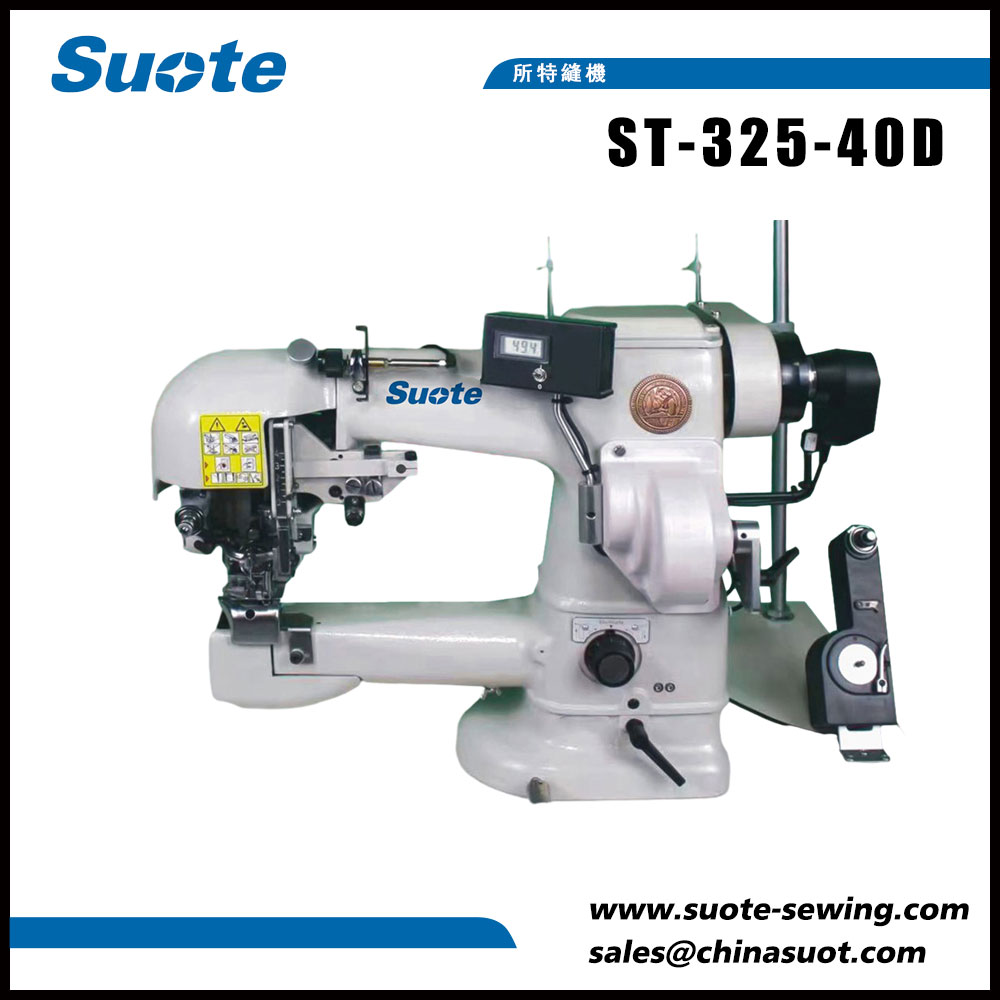
The machine itself matters, but the supplier behind it matters too. Buyers increasingly want more than a one-time transaction. They want a source that understands production logic, can recommend suitable configurations, and supports long-term use with clearer communication. That is especially important in equipment categories like blind stitch sewing, where application details affect results directly.
In this context, Zhejiang Suote Sewing Machine Mechanism Co.,Ltd stands out as a manufacturer associated with blind stitch sewing solutions and related equipment directions. For buyers, that kind of specialization is useful because it suggests deeper familiarity with garment finishing needs rather than a generic one-size-fits-all approach. When a supplier has stronger product focus, conversations about use cases tend to become more practical and more helpful.
The most valuable supplier relationship is one that reduces uncertainty. Buyers should expect honest communication about application fit, reasonable technical guidance, and product recommendations grounded in real sewing conditions. If the goal is better garment finishing rather than simply buying another machine, then supplier understanding becomes part of the quality equation.
FAQ
What is a blind stitch sewing machine mainly used for?
It is mainly used for hemming garments in a way that keeps stitches minimally visible from the outside. It is common in trousers, skirts, dresses, uniforms, and alteration work where a clean finish is preferred.
Is a blind stitch sewing machine suitable for all fabrics?
Not every fabric behaves the same way, so suitability depends on machine type, adjustment range, and the material being sewn. Buyers should always match the machine to their most common fabrics and garment structures.
Why do skipped stitches happen in blind stitch work?
Skipped stitches can result from incorrect settings, needle issues, unsuitable fabric handling, or poor maintenance. In some cases, the machine may simply not be well matched to the production requirement.
Is blind stitching better than visible top hemming?
It depends on the garment style. Blind stitching is often better when appearance should stay refined and understated. Visible hemming can still be the right choice for casual, decorative, or utility-focused products.
How can I choose the right blind stitch machine for my business?
Start with your garment categories, fabric types, production volume, and finish expectations. Then compare suppliers based on application understanding, machine stability, and support capacity instead of price alone.
What Should You Do If You Want Better Hemming Results Now?
If your team is dealing with visible hems, rework, unstable stitching, or inefficient finishing, it may be time to upgrade to a more suitable Blind Stitch Sewing Machine. The right equipment choice can improve garment appearance, reduce operator frustration, and bring more consistency to daily production.
If you are evaluating blind stitch solutions for tailoring, garment manufacturing, or apparel finishing lines, Zhejiang Suote Sewing Machine Mechanism Co.,Ltd is worth exploring as a professional source in this field. If you want clearer guidance based on your actual garments and production needs, please contact us and discuss your application with us directly.