

- English
- ελληνικά
- Esperanto
- Afrikaans
- tiếng Việt
- Italiano
- שפה עברית
- Cymraeg
- العربية
- Gaeilge
- český
- Eesti Keel
- Galego
- Indonesia
- Español
- русский
- Nederlands
- Português
- Norsk
- Türkçe
- Lietuvos
- Latviešu
- Pilipino
- ภาษาไทย
- Română
- icelandic
- Polski
- беларускі
- Français
- български
- український
- Hrvatski
- Deutsch
- Kreyòl ayisyen
- Dansk
- فارسی
- हिन्दी
- Suomi
- magyar
- 日本語
- 한국어
- Svenska
- Slovenský jazyk
- Malti
- Malay
- አማርኛ
- Bosanski
- Latine
- ລາວ
- Hawaiian
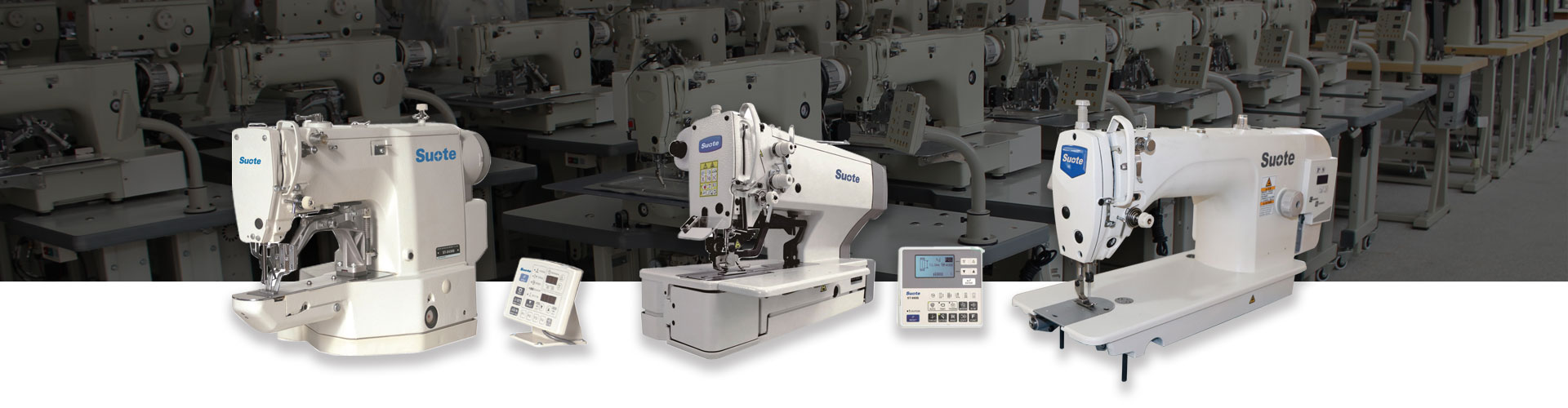
Is a Single Thread Blind Stitch Machine the Best Solution for Professional Invisible Hem Sewing
In today's highly competitive garment manufacturing industry, choosing the right sewing equipment can significantly impact productivity, stitch quality, and customer satisfaction. As a professional sewing machine manufacturer, Suote provides advanced solutions designed to meet modern apparel production requirements. Among these solutions, the Single Thread Blind Stitch Machine has become an essential tool for creating clean, professional, and nearly invisible hems on a wide range of garments. Whether you operate a tailoring workshop, clothing factory, fashion brand, or alteration business, understanding the advantages, applications, and performance capabilities of a single thread blind stitch machine can help you optimize production efficiency while maintaining premium garment quality.
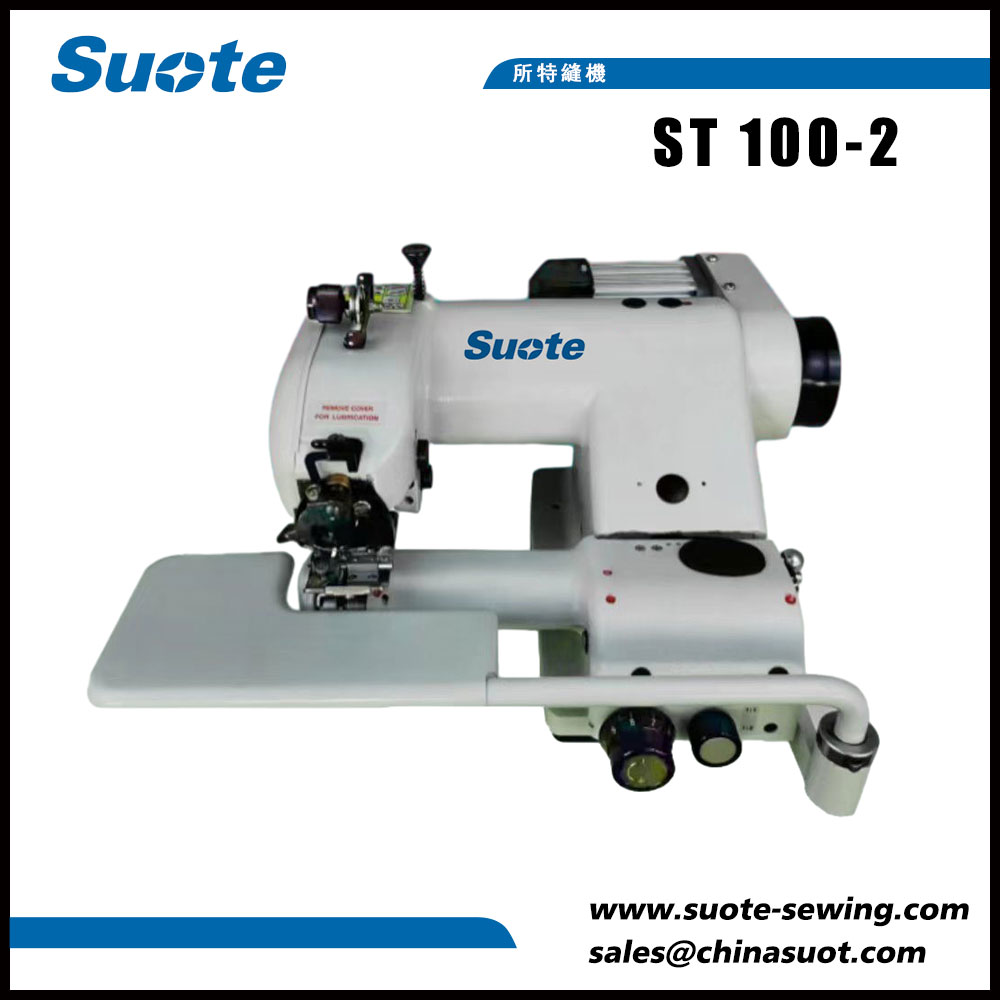
Table of Contents
What Is a Single Thread Blind Stitch Machine?
How Does a Single Thread Blind Stitch Machine Work?
Key Advantages of Single Thread Blind Stitch Machines
Comparison with Other Sewing Machines
Important Features to Consider
How to Choose the Right Machine
What Is a Single Thread Blind Stitch Machine?
A Single Thread Blind Stitch Machine is a specialized sewing machine designed to create nearly invisible stitches on garments. Unlike conventional lockstitch or overlock machines, it uses a unique stitching mechanism that catches only a small portion of the fabric's outer layer while forming stitches underneath.
The result is a professional-looking hem that is barely visible from the outside of the garment. This type of stitching is commonly used in:
- Dress pants
- Formal trousers
- Skirts
- Uniforms
- Suits
- Curtains
- High-end fashion garments
- Home textile products
Because of its ability to deliver clean and elegant finishes, the single thread blind stitch machine has become a standard piece of equipment in tailoring shops and garment factories worldwide.
How Does a Single Thread Blind Stitch Machine Work?
The machine operates using a curved needle mechanism that penetrates only part of the folded fabric. Instead of sewing through the entire fabric thickness, the needle catches a minimal amount of the outer layer while forming a chain stitch underneath.
This process creates the appearance of an invisible seam on the garment's visible side.
Basic Sewing Process
- Fabric edge is folded inward.
- The folded fabric is positioned under the presser foot.
- The curved needle penetrates the folded section.
- Only a few fabric fibers from the outer layer are caught.
- A single-thread chain stitch secures the hem.
- The finished seam remains nearly invisible.
This specialized sewing method enables manufacturers to achieve elegant finishing effects that are difficult to replicate using standard sewing equipment.
Key Advantages of Single Thread Blind Stitch Machines
Manufacturers and professional tailors prefer blind stitch technology for several compelling reasons.
1. Nearly Invisible Stitch Appearance
One of the most significant benefits is the ability to create hems that remain virtually unseen from the garment exterior. This feature is especially valuable for premium apparel and formal wear.
2. Professional Garment Finishing
Blind stitching provides a clean and polished appearance that enhances overall garment quality and perceived value.
3. Improved Production Efficiency
Modern machines from Suote are engineered for stable operation and consistent stitching performance, helping manufacturers increase throughput while reducing labor requirements.
4. Versatile Fabric Compatibility
Single thread blind stitch machines can handle various materials, including:
- Cotton fabrics
- Polyester blends
- Wool fabrics
- Denim
- Uniform textiles
- Lightweight fashion fabrics
- Medium-weight woven materials
5. Reduced Rework
Consistent stitch formation minimizes defects, reducing repair rates and production waste.
Common Industry Applications
Single Thread Blind Stitch Machines serve a wide variety of industries where professional hemming and finishing are essential.
| Industry | Application | Benefits |
|---|---|---|
| Garment Manufacturing | Trouser and skirt hemming | Invisible professional finish |
| Tailoring Shops | Clothing alterations | Fast and precise hemming |
| Fashion Brands | Premium apparel production | Luxury appearance |
| Uniform Production | Workwear finishing | Durability and neatness |
| Home Textiles | Curtains and drapes | Clean decorative edges |
| Hotels and Hospitality | Linen and curtain production | Professional presentation |
Comparison with Other Sewing Machines
Understanding how blind stitch machines differ from other sewing equipment can help businesses make informed purchasing decisions.
| Machine Type | Visible Stitching | Main Function | Ideal Use |
|---|---|---|---|
| Single Thread Blind Stitch Machine | Minimal | Invisible hemming | Formal garments |
| Lockstitch Machine | Visible | General sewing | Universal garment assembly |
| Overlock Machine | Visible | Edge finishing | Knitwear and seams |
| Coverstitch Machine | Visible | Stretch hemming | Sportswear |
For applications where aesthetics and professional finishing are priorities, the blind stitch machine remains the preferred choice.
Important Features to Consider
When evaluating a Single Thread Blind Stitch Machine, buyers should focus on several critical factors that directly influence sewing quality and operational efficiency.
- High-speed sewing capability
- Stable stitch formation
- Adjustable stitch depth
- Low vibration operation
- Easy threading system
- Durable internal components
- User-friendly controls
- Energy-efficient motor system
- Reliable after-sales support
How to Choose the Right Machine
Selecting the right Single Thread Blind Stitch Machine requires careful evaluation of production requirements, fabric types, budget considerations, and long-term operational goals. Investing in the appropriate equipment can improve efficiency, reduce maintenance costs, and ensure consistent sewing quality.
Evaluate Your Production Volume
Before purchasing a machine, determine your expected daily output. Small tailoring shops may only require a standard blind stitch machine, while large garment factories often benefit from industrial-grade models designed for continuous operation.
- Small tailoring businesses: Low to medium production volume
- Garment workshops: Medium production volume
- Large-scale factories: High production volume
- Export-oriented manufacturers: Continuous industrial operation
Consider Fabric Types
Different fabrics require different machine settings and capabilities. Understanding your primary production materials will help ensure optimal stitch quality.
| Fabric Type | Recommended Usage | Blind Stitch Suitability |
|---|---|---|
| Wool | Suits and trousers | Excellent |
| Cotton | Casual apparel | Excellent |
| Polyester | Uniforms | Very Good |
| Denim | Heavy garments | Good |
| Linen | Premium apparel | Excellent |
| Blended Fabrics | Mass production garments | Very Good |
Review Machine Adjustability
A high-quality machine should offer adjustable stitch depth, stitch length, fabric thickness compatibility, and user-friendly controls. These features enable operators to adapt quickly to different production requirements.
Assess Manufacturer Support
Working with an experienced manufacturer such as Suote can provide significant advantages, including technical assistance, spare parts availability, machine training, and long-term service support.
Maintenance and Care Tips
Regular maintenance is essential for maximizing machine lifespan and maintaining stitch quality. Even the most advanced blind stitch machine requires proper care to achieve optimal performance.
Daily Maintenance Checklist
- Clean lint and fabric debris from the machine.
- Inspect the needle for wear or damage.
- Check thread tension settings.
- Lubricate designated moving parts.
- Verify proper operation before production begins.
Weekly Maintenance Checklist
- Deep clean internal mechanisms.
- Inspect feed components.
- Check electrical connections.
- Test stitch consistency.
- Inspect the motor system.
Monthly Maintenance Checklist
- Perform comprehensive mechanical inspection.
- Replace worn consumable parts.
- Calibrate stitch settings.
- Review machine performance records.
- Schedule professional servicing if necessary.
Implementing a structured maintenance program helps reduce downtime, extend equipment lifespan, and improve overall production efficiency.
Future Trends in Blind Stitch Technology
As garment manufacturing continues to evolve, blind stitch technology is becoming increasingly sophisticated. Modern equipment manufacturers are integrating advanced technologies to improve productivity, consistency, and user experience.
Automation Integration
Automated sewing solutions are becoming more common in large-scale production facilities. These systems reduce manual intervention and improve production consistency.
Energy-Efficient Motors
Modern servo motor technology helps reduce power consumption while delivering precise control and quieter operation.
Smart Monitoring Systems
Future machines may incorporate intelligent monitoring features that track machine performance, maintenance schedules, and production data in real time.
Improved Precision Engineering
Advancements in manufacturing technology continue to improve stitch accuracy, machine durability, and operational reliability.
Sustainable Manufacturing
As sustainability becomes a global priority, sewing equipment manufacturers are focusing on energy efficiency, reduced waste generation, and environmentally responsible production processes.
Why More Manufacturers Are Choosing Suote
The global garment industry increasingly demands equipment that delivers reliability, efficiency, and consistent sewing quality. Suote has established itself as a trusted sewing machine manufacturer by focusing on innovation, precision engineering, and customer satisfaction.
Key advantages of working with Suote include:
- Professional sewing machine manufacturing experience.
- Advanced production facilities.
- Strict quality control procedures.
- Reliable product performance.
- Comprehensive technical support.
- Global export capabilities.
- Responsive customer service.
- Continuous product innovation.
Whether you are operating a tailoring shop, apparel factory, or large-scale garment manufacturing facility, investing in high-quality blind stitch equipment can significantly improve production outcomes and customer satisfaction.
Frequently Asked Questions
What is the primary purpose of a Single Thread Blind Stitch Machine?
The primary purpose is to create nearly invisible hems and seams on garments while maintaining a clean and professional appearance. It is widely used for trousers, skirts, dresses, uniforms, and home textiles.
Can a Single Thread Blind Stitch Machine handle different fabric types?
Yes. Most industrial blind stitch machines can work with cotton, polyester, wool, linen, blended fabrics, and many medium-weight textiles when properly adjusted.
Why is blind stitching preferred for formal garments?
Blind stitching creates an elegant finish because the stitches are barely visible from the garment's exterior, making it ideal for suits, dress pants, skirts, and other premium apparel.
Is a blind stitch machine suitable for mass production?
Absolutely. Industrial-grade machines are designed for continuous operation and can significantly improve productivity in medium and large-scale garment manufacturing facilities.
How often should maintenance be performed?
Basic cleaning should be performed daily, while more comprehensive inspections should be conducted weekly and monthly according to the manufacturer's maintenance recommendations.
What factors should I consider before purchasing a machine?
Key considerations include production volume, fabric types, machine durability, adjustability, maintenance requirements, technical support, and overall cost of ownership.
How long can a quality blind stitch machine last?
With proper maintenance and correct operation, a high-quality industrial blind stitch machine can provide reliable service for many years while maintaining excellent sewing performance.
Where can I learn more about Suote Single Thread Blind Stitch Machines?
You can explore detailed specifications, product features, and technical information through the official product page: Single Thread Blind Stitch Machine.
Conclusion
A Single Thread Blind Stitch Machine remains one of the most valuable investments for businesses seeking professional garment finishing, improved production efficiency, and superior product quality. From tailoring shops to large-scale apparel manufacturers, blind stitch technology provides the precision and appearance required in today's competitive market. By understanding machine capabilities, maintenance requirements, and purchasing considerations, businesses can confidently select the right equipment to support long-term growth and operational success.
If you are looking for a reliable, high-performance sewing solution, Suote offers professional Single Thread Blind Stitch Machines designed to meet the needs of modern garment production. Our experienced team is ready to help you select the ideal machine for your application, provide technical guidance, and support your business with dependable sewing technology. Contact us today to learn more about our products, request a quotation, or discuss your specific production requirements. We look forward to helping you achieve higher efficiency, exceptional sewing quality, and long-term manufacturing success.