

- English
- ελληνικά
- Esperanto
- Afrikaans
- tiếng Việt
- Italiano
- שפה עברית
- Cymraeg
- العربية
- Gaeilge
- český
- Eesti Keel
- Galego
- Indonesia
- Español
- русский
- Nederlands
- Português
- Norsk
- Türkçe
- Lietuvos
- Latviešu
- Pilipino
- ภาษาไทย
- Română
- icelandic
- Polski
- беларускі
- Français
- български
- український
- Hrvatski
- Deutsch
- Kreyòl ayisyen
- Dansk
- فارسی
- हिन्दी
- Suomi
- magyar
- 日本語
- 한국어
- Svenska
- Slovenský jazyk
- Malti
- Malay
- አማርኛ
- Bosanski
- Latine
- ລາວ
- Hawaiian
How Can a Single Thread Blind Stitch Machine for Thin to Medium-Thickness Material Improve Modern Garment Production Efficiency
The Single Thread Blind Stitch Machine Thin to Medium-Thickness Material is an advanced sewing solution designed for manufacturers requiring invisible stitching, stable performance, and high-quality finishing on lightweight and medium fabrics. This article explains how Suote develops professional blind stitch equipment, explores the machine structure, advantages, applications, technical features, and purchasing considerations. It also provides practical guidance for garment factories looking to improve production quality and reduce manual finishing costs.
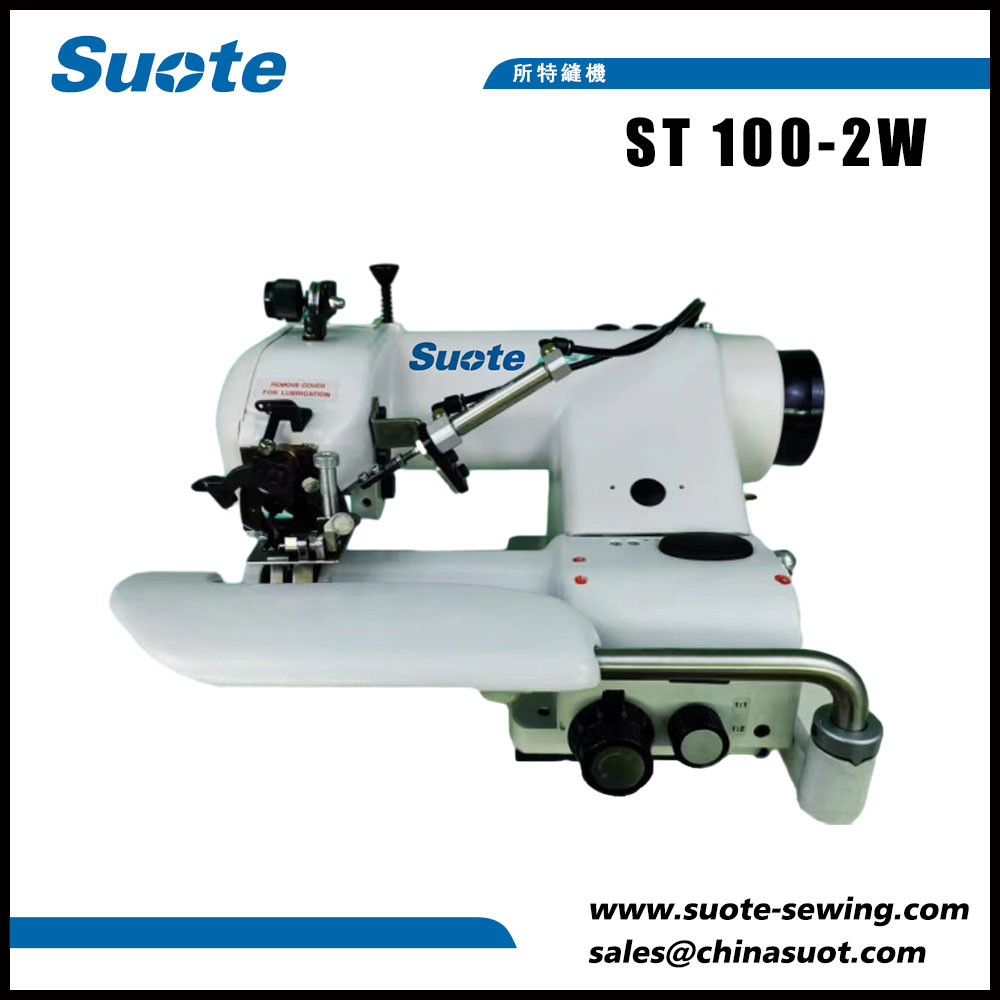
Table of Contents
- Why Is a Single Thread Blind Stitch Machine Important for Modern Sewing?
- What Are the Key Features of This Blind Stitch Machine?
- How Does the Machine Improve Sewing Efficiency and Product Quality?
- Where Can Thin to Medium-Thickness Material Blind Stitch Machines Be Applied?
- What Technology Ensures Stable Blind Stitch Performance?
- Single Thread Blind Stitch Machine vs Traditional Sewing Methods
- How to Choose the Right Blind Stitch Machine for Your Factory?
- Frequently Asked Questions
- Conclusion
Why Is a Single Thread Blind Stitch Machine Important for Modern Sewing?
Suote provides professional sewing equipment solutions, and its Single Thread Blind Stitch Machine Thin to Medium-Thickness Material is specially designed for manufacturers who need clean, invisible, and durable stitching results. In industries such as garment manufacturing, tailoring, uniforms, and home textiles, the appearance of finished products directly affects market competitiveness. A high-performance blind stitch machine helps manufacturers achieve refined finishing while maintaining production speed.
Unlike conventional visible stitching methods, blind stitching creates nearly invisible stitches on the fabric surface. This makes it ideal for applications where appearance and comfort are essential. The machine is engineered to handle thin to medium-thickness materials with consistent stitch quality, helping factories improve efficiency and reduce dependence on manual sewing processes.
With increasing demand for premium clothing and customized textile products, manufacturers require reliable equipment that can provide precision, flexibility, and long-term stability. A professional blind stitch machine has become an important investment for improving sewing workflows.
What Are the Key Features of This Blind Stitch Machine?
The Single Thread Blind Stitch Machine is developed with specialized mechanisms to deliver accurate stitch formation while protecting fabric quality. Its design focuses on operational stability, easy adjustment, and compatibility with different textile materials.
| Feature | Description | Production Benefit |
|---|---|---|
| Single Thread Blind Stitch Technology | Creates hidden stitches with minimal visibility on fabric surfaces | Improves garment appearance and finishing quality |
| Material Compatibility | Suitable for thin and medium-thickness fabrics | Provides flexible production options for various products |
| Precision Stitch Control | Maintains consistent stitch depth and tension | Reduces defects and improves product consistency |
| Stable Mechanical Structure | Designed for continuous industrial operation | Supports long working hours with reliable performance |
| Easy Adjustment System | Allows operators to adjust sewing parameters according to fabric requirements | Enhances production flexibility |
How Does the Machine Improve Sewing Efficiency and Product Quality?
For professional garment manufacturers, production efficiency is closely related to equipment accuracy. The Single Thread Blind Stitch Machine helps solve common challenges such as uneven stitches, fabric damage, and inconsistent finishing.
1. Better Invisible Stitch Quality
The machine creates neat and hidden stitches, making the final product look more professional. This advantage is especially important for premium garments, jackets, trousers, skirts, and formal wear where visible seams can affect design aesthetics.
2. Reduced Manual Finishing Work
Traditional hand blind stitching requires experienced workers and consumes significant labor time. Automated blind stitch equipment can complete repetitive operations faster while maintaining stable quality.
3. Improved Production Consistency
Industrial sewing requires consistent results across thousands of products. The machine structure ensures reliable stitch formation, reducing variations caused by operator skills.
4. Lower Fabric Damage Risk
Thin fabrics are sensitive to excessive needle penetration and improper tension. The machine is designed to handle delicate materials carefully, helping manufacturers maintain fabric integrity.
- Higher sewing accuracy
- More stable production output
- Reduced labor dependency
- Improved finished product appearance
- Suitable for customized textile manufacturing
Where Can Thin to Medium-Thickness Material Blind Stitch Machines Be Applied?
Due to its flexible material handling capability, this machine is widely used in multiple textile production fields. Manufacturers can apply it to different products that require invisible or decorative stitching.
- Garment Manufacturing: Used for trousers, suits, coats, skirts, and professional clothing finishing.
- Tailoring Workshops: Helps custom clothing producers achieve premium handmade-like results with higher efficiency.
- Uniform Production: Provides clean stitching for school uniforms, workwear, and hospitality clothing.
- Home Textile Products: Suitable for curtains, covers, and decorative textile applications.
- Fashion Industry: Supports designers who require refined stitching techniques for high-end products.
What Technology Ensures Stable Blind Stitch Performance?
A reliable blind stitch machine depends on precise mechanical coordination. The needle movement, thread control, fabric feeding system, and pressure adjustment mechanism work together to maintain accurate sewing results.
Advanced manufacturing processes ensure that key components maintain durability during continuous operation. Operators can adjust settings according to different fabric thicknesses, allowing the equipment to adapt to various production requirements.
For factories pursuing high-quality manufacturing, choosing equipment with stable engineering design is essential. A well-designed blind stitch machine reduces maintenance frequency and improves overall production efficiency.
Single Thread Blind Stitch Machine vs Traditional Sewing Methods
| Comparison Item | Single Thread Blind Stitch Machine | Traditional Manual Blind Stitching |
|---|---|---|
| Stitch Appearance | Consistent invisible stitching | Depends on worker experience |
| Production Speed | Higher efficiency for continuous production | Limited by manual operation speed |
| Quality Stability | Stable and repeatable results | May vary between operators |
| Labor Cost | Reduces repetitive manual work | Requires more skilled workers |
How to Choose the Right Blind Stitch Machine for Your Factory?
Selecting suitable sewing equipment requires consideration of production requirements, fabric types, and expected output. Manufacturers should evaluate the following factors before purchasing:
- Fabric Compatibility: Confirm whether the machine can handle the thickness and texture of your main materials.
- Production Capacity: Choose equipment that matches your daily production volume.
- Operational Convenience: Easy adjustment and maintenance can improve workplace efficiency.
- Machine Reliability: Industrial factories need durable equipment for long-term operation.
- Technical Support: A dependable supplier should provide professional service and after-sales assistance.
Frequently Asked Questions
1. What materials can a Single Thread Blind Stitch Machine handle?
This type of machine is mainly designed for thin to medium-thickness materials, including many common garment fabrics, lightweight textiles, and medium-weight materials used in apparel production.
2. Why should manufacturers use a blind stitch machine instead of manual sewing?
A blind stitch machine provides faster production speed, more consistent stitch quality, and reduced labor requirements compared with manual stitching methods.
3. Is this machine suitable for small workshops and large factories?
Yes. Its flexible operation and stable performance make it suitable for different production environments, from customized tailoring businesses to industrial garment factories.
4. How can operators maintain stable sewing performance?
Regular cleaning, proper lubrication, correct needle selection, and timely maintenance help maintain long-term machine performance.
Conclusion
The Single Thread Blind Stitch Machine Thin to Medium-Thickness Material provides an efficient solution for manufacturers seeking invisible stitching, reliable operation, and improved garment quality. With advanced sewing technology, flexible material compatibility, and stable production performance, it helps textile businesses achieve higher standards in modern manufacturing.
If you are looking for a professional blind stitch solution to upgrade your sewing production line, please contact us for more information about machine specifications, applications, and customized solutions. Our team can help you select suitable equipment based on your production needs.