

- English
- ελληνικά
- Esperanto
- Afrikaans
- tiếng Việt
- Italiano
- שפה עברית
- Cymraeg
- العربية
- Gaeilge
- český
- Eesti Keel
- Galego
- Indonesia
- Español
- русский
- Nederlands
- Português
- Norsk
- Türkçe
- Lietuvos
- Latviešu
- Pilipino
- ภาษาไทย
- Română
- icelandic
- Polski
- беларускі
- Français
- български
- український
- Hrvatski
- Deutsch
- Kreyòl ayisyen
- Dansk
- فارسی
- हिन्दी
- Suomi
- magyar
- 日本語
- 한국어
- Svenska
- Slovenský jazyk
- Malti
- Malay
- አማርኛ
- Bosanski
- Latine
- ລາວ
- Hawaiian
What Is a Blind Stitch Sewing Machine and Why Is It Essential for Professional Garment Finishing
A Blind Stitch Sewing Machine plays a critical role in modern garment manufacturing and professional tailoring by creating nearly invisible hems on fabrics such as suits, trousers, skirts, and curtains. This article provides a comprehensive, in-depth explanation of what a blind stitch sewing machine is, how it works, and why it has become indispensable for high-quality apparel finishing. Drawing on industry practices and product specifications from Suote’s Blind Stitch Sewing Machine, we explore machine types, applications, benefits, buying considerations, and maintenance tips. The goal is to help manufacturers, tailors, and sourcing managers make informed decisions that align with productivity, quality, and long-term value.
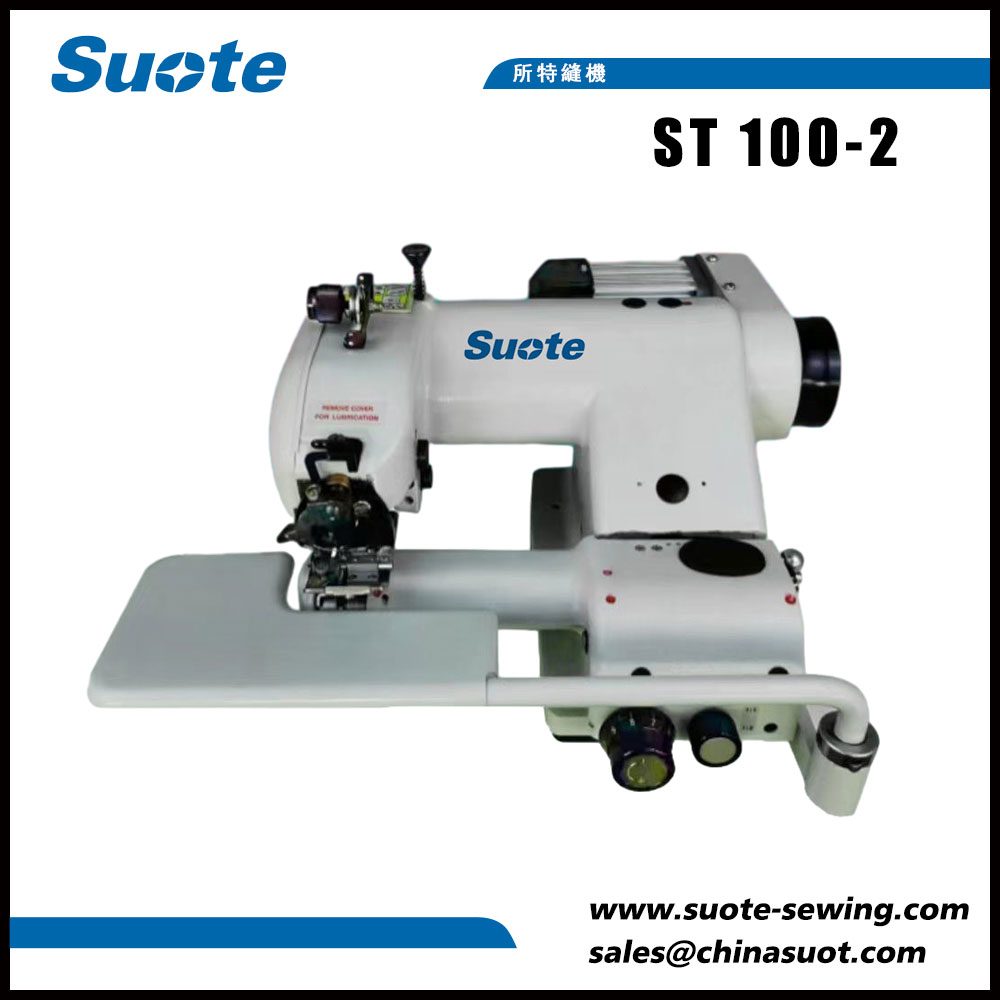
Table of Contents
- What Is a Blind Stitch Sewing Machine?
- How Does a Blind Stitch Sewing Machine Work?
- Where Are Blind Stitch Sewing Machines Commonly Used?
- Key Benefits of Using a Blind Stitch Sewing Machine
- Different Types of Blind Stitch Sewing Machines
- Blind Stitch Sewing Machine vs. Conventional Sewing Machine
- How to Choose the Right Blind Stitch Sewing Machine
- Maintenance and Longevity Tips
- Why Blind Stitch Machines Matter in Modern Apparel Manufacturing
- Frequently Asked Questions (FAQ)
1. What Is a Blind Stitch Sewing Machine?
A Blind Stitch Sewing Machine is a specialized industrial or semi-industrial sewing machine designed to create hems that are nearly invisible from the outside of the garment. Unlike conventional sewing machines that pass the needle completely through all layers of fabric, blind stitch machines penetrate only part of the material, catching just a few threads on the visible side.
This unique stitching method makes blind stitch machines especially valuable for garments where appearance and refinement matter—such as suit trousers, formal skirts, coats, uniforms, and high-end home textiles. For brands focused on premium quality, a blind stitch sewing machine is not optional; it is essential.
2. How Does a Blind Stitch Sewing Machine Work?
The working principle of a blind stitch sewing machine differs significantly from standard lockstitch or chainstitch machines. Instead of piercing straight down through all fabric layers, the needle moves in a curved or oscillating motion.
- The fabric is folded so that only the hem edge is exposed.
- The needle penetrates the folded edge and lightly catches the main fabric.
- The stitch remains hidden on the outer surface.
Machines like those developed by Suote are engineered for precision, ensuring consistent stitch depth and uniform tension. This consistency is crucial for maintaining a professional finish across large production volumes.
3. Where Are Blind Stitch Sewing Machines Commonly Used?
Blind stitch sewing machines are widely used across multiple sectors of the textile and garment industry:
- Garment factories: For mass production of trousers, skirts, and suits.
- Tailoring shops: High-quality alterations and bespoke clothing.
- Uniform manufacturing: Police, military, and corporate uniforms.
- Home textiles: Curtains, drapes, and decorative fabrics.
- Fashion studios: Premium collections requiring invisible hems.
In all these applications, the blind stitch sewing machine ensures a clean, elegant look that meets professional standards.
4. Key Benefits of Using a Blind Stitch Sewing Machine
Investing in a blind stitch sewing machine delivers measurable benefits in both quality and efficiency:
- Invisible finish: Enhances garment aesthetics.
- Professional consistency: Uniform stitch quality across batches.
- Time efficiency: Faster hemming compared to hand sewing.
- Fabric protection: Minimal needle penetration reduces damage.
- Cost savings: Lower labor costs and rework rates.
5. Different Types of Blind Stitch Sewing Machines
| Type | Best For | Key Features |
|---|---|---|
| Industrial Blind Stitch Machine | Large garment factories | High speed, continuous operation |
| Semi-Industrial Model | Medium workshops | Balanced performance and cost |
| Portable Blind Stitch Machine | Tailors and alteration shops | Compact, easy to operate |
6. Blind Stitch Sewing Machine vs. Conventional Sewing Machine
- Visibility: Blind stitch machines create hidden stitches; conventional machines do not.
- Specialization: Blind stitch machines focus on hemming; standard machines are multipurpose.
- Skill requirement: Easier to achieve professional hems with blind stitch machines.
7. How to Choose the Right Blind Stitch Sewing Machine
When selecting a blind stitch sewing machine, buyers should evaluate:
- Production volume requirements
- Fabric types and thickness
- Operator skill level
- After-sales support and spare parts availability
Manufacturers like Suote offer a range of blind stitch sewing machines designed to meet diverse production needs, making them a reliable option for both factories and professional workshops.
8. Maintenance and Longevity Tips
- Clean lint and dust daily
- Lubricate moving parts regularly
- Check needle alignment and tension
- Use original spare parts
9. Why Blind Stitch Machines Matter in Modern Apparel Manufacturing
As fashion brands face increasing pressure to deliver premium quality at scale, blind stitch sewing machines have become a strategic asset. They bridge the gap between craftsmanship and industrial efficiency, ensuring garments meet both aesthetic and commercial expectations.
10. Frequently Asked Questions (FAQ)
Is a blind stitch sewing machine suitable for beginners?
Yes, with basic training, most operators can quickly learn to use a blind stitch sewing machine effectively.
Can one machine handle different fabrics?
High-quality models can handle wool, cotton, polyester, and blended fabrics with proper adjustment.
How long does a blind stitch sewing machine last?
With proper maintenance, industrial machines can last many years in continuous production environments.
If you are looking to elevate garment finishing quality, reduce labor costs, and achieve consistent professional results, investing in a reliable blind stitch sewing machine is a smart move. To learn more about advanced solutions and tailored recommendations, explore Suote’s expertise and contact us today to discuss your specific production needs.