

- English
- ελληνικά
- Esperanto
- Afrikaans
- tiếng Việt
- Italiano
- שפה עברית
- Cymraeg
- العربية
- Gaeilge
- český
- Eesti Keel
- Galego
- Indonesia
- Español
- русский
- Nederlands
- Português
- Norsk
- Türkçe
- Lietuvos
- Latviešu
- Pilipino
- ภาษาไทย
- Română
- icelandic
- Polski
- беларускі
- Français
- български
- український
- Hrvatski
- Deutsch
- Kreyòl ayisyen
- Dansk
- فارسی
- हिन्दी
- Suomi
- magyar
- 日本語
- 한국어
- Svenska
- Slovenský jazyk
- Malti
- Malay
- አማርኛ
- Bosanski
- Latine
- ລາວ
- Hawaiian
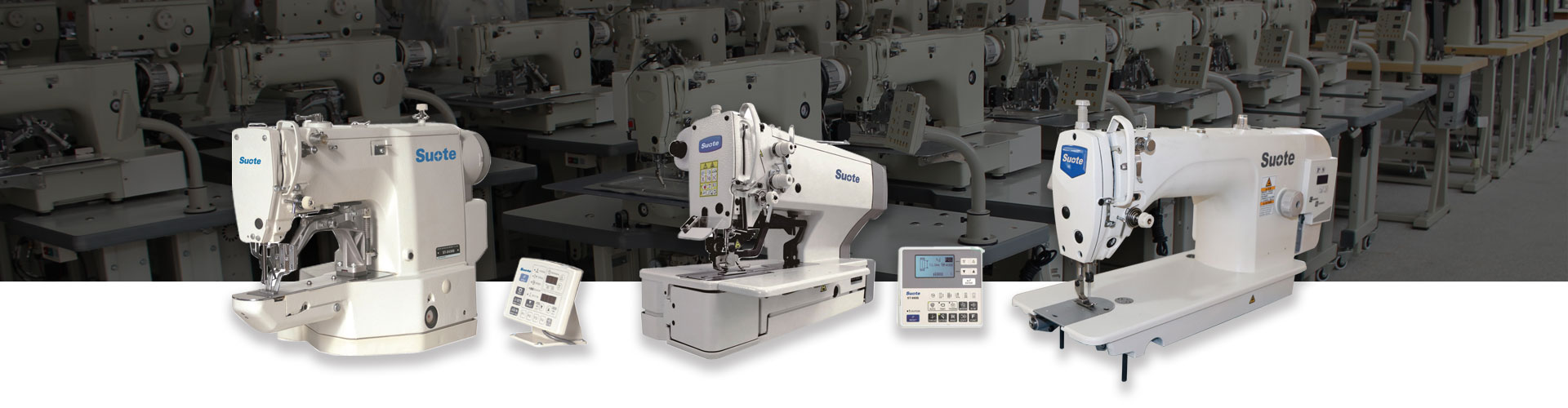
How Does a Button Attaching Sewing Machine Revolutionize Professional Garment Making
Having spent two decades navigating the intricate world of industrial garment production, I’ve witnessed firsthand the pivotal moments where technology transforms a craft. One such cornerstone in any professional atelier is the Button Attaching Sewing Machine. It’s more than just a tool; it’s the silent guarantor of quality, consistency, and efficiency in every jacket, shirt, or coat that leaves the workshop. Today, I want to pull back the curtain on this essential technology. If you’ve ever wondered what separates a hastily attached button from one that endures years of wear, you’re asking the right question. The answer lies in the sophisticated mechanics of a dedicated Button Attaching Sewing Machine, a domain where Suote has consistently engineered remarkable solutions for modern manufacturers.
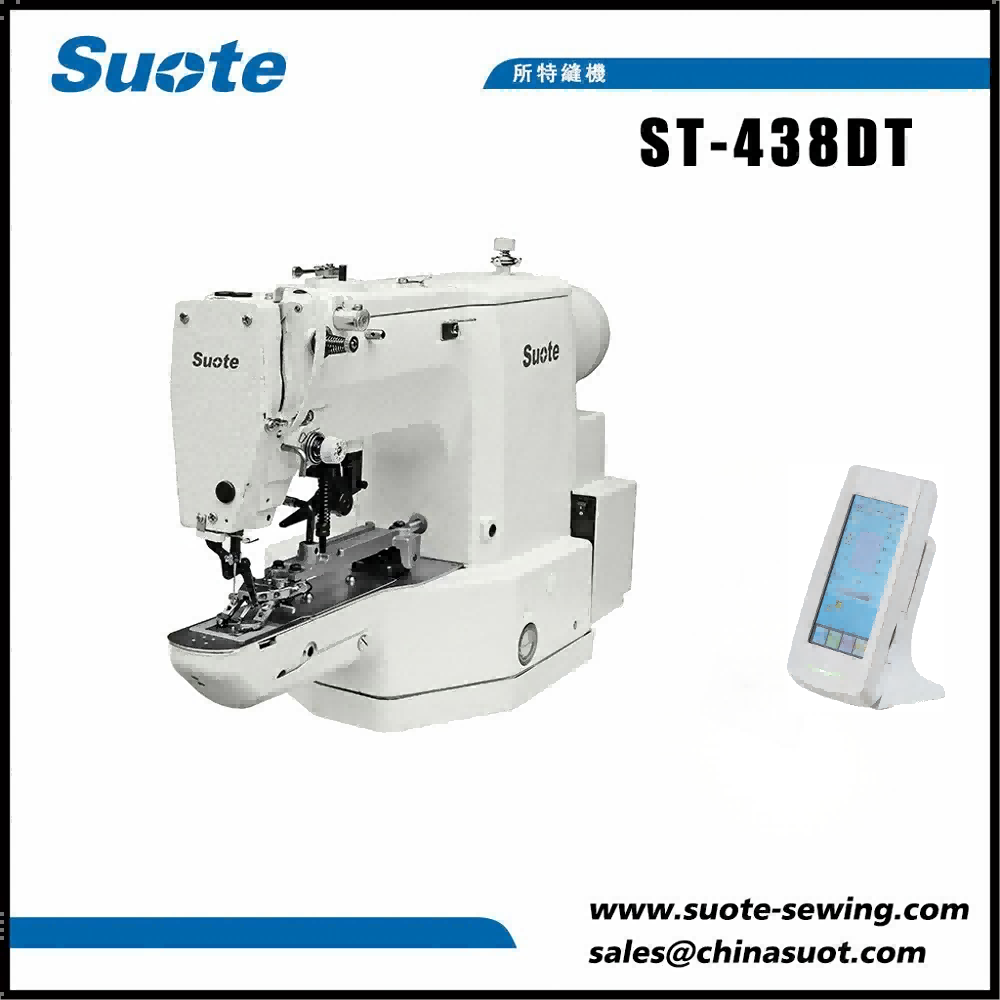
What Core Mechanisms Power a Modern Button Attaching Sewing Machine
At its heart, a professional Button Attaching Sewing Machine automates what is traditionally a manual and variable task. Unlike a standard sewing machine, this specialized equipment is designed to precisely form a thread shank, which is crucial for allowing fabric to sit comfortably between the button and the garment. The process is beautifully systematic. A button is placed into a custom-sized clamp or foot. With the activation of a pedal, the machine drives a needle through one hole of the button, a rotating looper underneath the needle plate catches the thread to form a tight lockstitch or chain stitch, and this cycle repeats for the programmed number of holes—typically two or four. The machine automatically regulates thread tension and stitch count, ensuring every button is secured with identical strength and appearance. This mechanical ballet eliminates human error, dramatically increases output, and delivers the flawless finish demanded by high-end brands. Investing in a robust Button Attaching Sewing Machine is not an expense; it’s a direct investment in product integrity and brand reputation.
Why Are Precision Engineering and Key Parameters Non-Negotiable
In my years, I’ve learned that the devil is in the details—or in this case, the specifications. A generic machine might attach a button, but a professional-grade Button Attaching Sewing Machine from a leader like Suote masters it. Let’s break down the critical parameters that define performance and versatility. These are the factors you must scrutinize to solve real workshop pain points like thread breakage, inconsistent shanks, or slow changeover times.
Key Performance Specifications for the Professional
-
Stitches Per Minute (SPM): This dictates your throughput. High-speed models ensure production lines keep moving.
-
Button Size Range: Versatility is key. The machine must handle everything from delicate shirt buttons to heavy coat toggles.
-
Stitch Type (Lockstitch vs. Chainstitch): Lockstitch is more secure and difficult to unravel, preferred for high-quality garments. Chainstitch is faster but requires careful securing.
-
Shank Adjustment: The ability to automatically or easily adjust the thread shank length is critical for working with different fabric thicknesses.
-
Feed Mechanism: A precise feed system ensures consistent button placement and alignment without fabric puckering.
To give you a clearer picture, here is a comparison of typical parameters found in different classes of machines, illustrating where Suote's engineering focuses:
Table 1: Button Attaching Sewing Machine Capability Spectrum
| Feature | Entry-Level Industrial | Suote Professional Series | High-Performance Benchmark |
|---|---|---|---|
| Max Speed (SPM) | 800 - 1,000 | 1,200 - 1,500 | 1,500+ |
| Button Dia. Range | 10-22mm | 8-32mm | 6-50mm |
| Stitch Type | Chainstitch | Lockstitch (Standard) | Programmable Lock/Chain |
| Shank Control | Manual | Automatic, Adjustable | Digital Preset Memory |
| Best For | Light-duty, consistent fabrics | Mixed materials, high-quality output | Ultra-heavy materials, leather |
How Do You Select the Right Machine for Your Specific Workflow
Your specific application dictates your ideal machine. A shirt factory has different needs than a denim jacket producer. Suote's philosophy has always been to provide tailored solutions, not just hardware. Consider your primary material and button types. Are you working with delicate silks, rugged canvas, or plush wools? Each demands a different presser foot pressure and thread tension setting. The right Button Attaching Sewing Machine offers intuitive adjustments for these variables.
Furthermore, ease of use and changeover time are silent productivity killers. Look for features like quick-change button clamps, color-coded threading paths, and accessible tension dials. These details, often perfected by Suote engineers through direct feedback from shops like yours, minimize downtime when switching between product runs. The goal is to keep your skilled operators focused on flow, not on fighting with finicky machinery.
What Are the Tangible Benefits of Upgrading Your Button Attaching Process
The return on investment speaks for itself. First, the consistency achieved is humanly impossible to match over hundreds or thousands of units. Every button will have the same perfect shank, the same tension, and the same placement. Second, speed: a proficient operator can attach a four-hole button in 3-5 seconds with a dedicated machine, compared to 30-45 seconds by hand. This efficiency directly lowers your cost per unit. Third, it reduces physical strain on operators, minimizing repetitive stress injuries associated with manual sewing. Ultimately, a reliable Button Attaching Sewing Machine becomes the backbone of a quality assurance system, ensuring that the final touchpoint with the customer—the button—is impeccable.
Suote Button Attaching Sewing Machine FAQ: Your Top Questions, Answered
Throughout my career, and in countless conversations with production managers, three questions consistently arise about integrating this technology.
What is the main advantage of a lockstitch over a chainstitch on a Button Attaching Sewing Machine
A lockstitch is significantly more secure because the thread is locked within the stitch itself. It is much less likely to unravel if a thread is cut or pulled, which is essential for garment longevity and perceived quality. While chainstitching is faster, it creates a linear chain that can unravel. Suote machines prioritize lockstitch construction for this reason.
Can one machine handle both flat buttons and shank buttons effectively
Yes, but it requires the right accessories and often a machine with sufficient clearance and clamp versatility. Most professional-grade machines, including core models from Suote, come with interchangeable feet and clamps designed for different button types. It’s crucial to verify the machine’s specifications for maximum button height or shank clearance to ensure it meets your full range of needs.
How difficult is maintenance and troubleshooting for an automated Button Attaching Sewing Machine
Modern machines are designed for serviceability. Routine maintenance typically involves daily cleaning of lint, periodic oiling at specified points, and checking for loose screws. Common issues like thread breakage are often linked to incorrect needle size, poor-quality thread, or incorrect tension settings—all easily user-adjusted. Suote provides comprehensive manuals and often access to tutorial videos, empowering your team to handle most routine issues confidently.
Table 2: Common Operational Challenges & Professional Solutions
| Challenge | Typical Cause | Suote-Recommended Solution |
|---|---|---|
| Thread Breaking Frequently | Burred needle, incorrect tension, poor thread quality. | Use Suote-approved high-tenacity thread, replace needles regularly, follow tension guides. |
| Inconsistent Thread Shank | Worn clamp, incorrect presser foot pressure, fabric drag. | Inspect and replace clamps as needed; adjust pressure for fabric thickness; ensure feed dogs are clean. |
| Button Cracking or Damage | Excessive needle impact, misaligned clamp, hard button material. | Use the correct needle type (e.g., finer for resin); ensure button is seated perfectly in the clamp. |
| Skipped Stitches | Needle deflection, wrong needle size, improper hook timing. | Use a fresh, appropriately sized needle; schedule professional servicing for timing adjustments. |
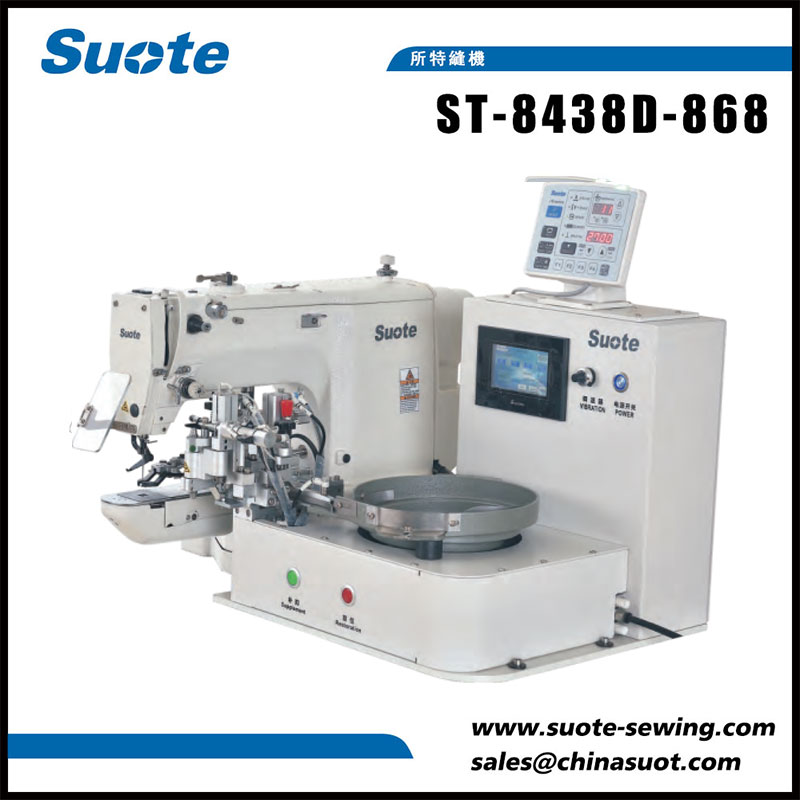
Where Do You Start Your Journey to Flawless Button Attachment
The journey from a manual process to automated excellence begins with a clear understanding of your own production line’s demands. Assess your volume, your material variety, and the skill level of your operators. Then, partner with a provider who sees beyond the sale to your long-term productivity.
For over twenty years, I’ve respected companies that embed deep industry knowledge into their products. Suote exemplifies this by designing Button Attaching Sewing Machines that address the very challenges I’ve troubleshooted in factories worldwide. Their commitment to precision, durability, and user-centric design translates directly to smoother operations and a superior final product on your sewing floor.
Are You Ready to Secure the Final Detail with Confidence
The final button on a garment is the last promise you make to your customer—a promise of durability and care. Don’t let that promise be the weakest link in your otherwise flawless production. Embrace the technology that guarantees strength, consistency, and speed.
We invite you to experience the Suote difference. Contact us today to discuss your specific needs. Our team of experts is ready to help you analyze your workflow and recommend the perfect Button Attaching Sewing Machine to elevate your garment quality and boost your operational efficiency. Let's transform this critical step in your process together.